
BUSINESS
Cambridge Aerospace $3.4B Raise Funds Cheap Interceptor Scale
UK counter-drone startup Cambridge Aerospace jumps to $3.4 billion valuation with $300 million Series C.

Cambridge Aerospace raised $300 million in a Series C at a $3.4 billion valuation on 10 August 2026, more than doubling its $1.3 billion mark from April. The UK counter-drone startup, founded in 2024, will pour the capital into manufacturing scale for its Skyhammer interceptors and a Norfolk solid rocket motor plant that targets European supply gaps.
DFJ Growth led the round. Returning backers include Lux, Accel, Lakestar, Never Lift, Ora Global and Elad Gil & Co. Total capital raised now sits near $636 million.
The $300 Million Jump and Who Wrote the Cheques
Four months separated the Series B and this Series C. The valuation multiple hit roughly 2.6 times. Dealroom ranks the round in the top 1 percent of all-time UK defence tech Series C deals.
| Round | Date | Amount | Valuation | Leads / Key |
|---|---|---|---|---|
| Seed | Oct 2024 | $36m | – | Never Lift |
| Series A | Jul 2025 | $100m | $400m | Accel, Lakestar, Lux, Spark |
| Series B | Apr 2026 | $200m | $1.3bn | Elad Gil & Co, Spark Capital |
| Series C | Aug 2026 | $300m | $3.4bn | DFJ Growth |
Randy Glein, DFJ Growth founder and managing partner, said the firm “surveyed the global landscape and identified Cambridge as having the best team and technology to build the most advanced and modern air defense infrastructure for Europe and its allies.” DFJ’s prior portfolio includes Anduril and SpaceX.
CEO Steven Barrett, former MIT researcher and Cambridge University Regius Professor of Engineering, framed the use of funds plainly: scale manufacturing and delivery to match the pace of threats and Allied demand. The company lists more than 250 employees, two-thirds in engineering roles. It operates from Cambridge HQ with production in Norfolk.
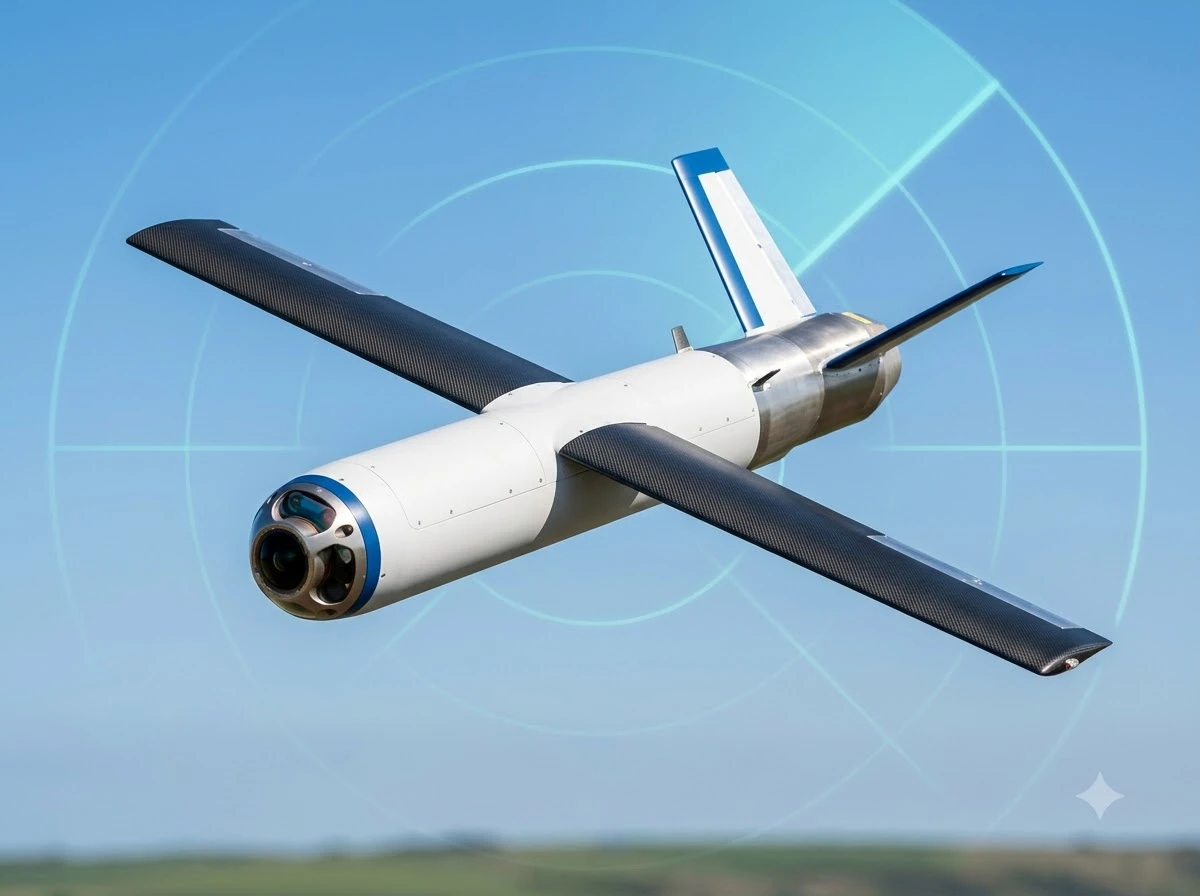
Skyhammer Already Under MoD Contract
Skyhammer is the first product in volume. It is a radar-guided, tube-launched interceptor built for Shahed-type attack drones and low-speed threats. Specs from company briefings and coverage put range over 30 km, speed around 700 km/h (Mach 0.7), mass near 18 kg and length under one metre. Unit cost targets the tens of thousands of dollars, or 1 to 2 percent of a traditional air-defence missile.
Development moved from first sketch to flight test in six weeks. The UK Ministry of Defence placed a multi-million-pound order for hundreds of units under the Low-Cost Effectors & Autonomous Platforms programme, with deliveries timed in months rather than years. Initial operational evaluation is under way. Jordan trials and LEAP five-nation work (UK, France, Germany, Italy, Poland) followed.
Defence Secretary Wes Streeting called Skyhammer “an example of the low-cost interceptor missiles our Armed Forces need” and “exactly what our unicorn scheme is designed to create.”
Starhammer and Looking Glass Join the Line
Starhammer targets higher-speed cruise and potentially ballistic threats. It is rocket-powered, aims for Mach 2 and roughly 10 km range, and sits at lower TRL with flight tests planned later in 2026 and market entry in 2027. Looking Glass is the accompanying radar. Both feed the same manufacturing push.
Why the Cost Curve Matters More Than Headlines
A $20,000 Shahed can force a $1 million interceptor shot. That exchange rate has drained inventories in Ukraine and the Middle East. Cambridge Aerospace’s thesis is vertical integration plus volume that keeps unit prices low enough for mass employment.
- Price target: 1-2% of mean traditional missile cost, tens of thousands of dollars per Skyhammer.
- Production goal: thousands per month, with Dealroom citing plans for 2,500 Skyhammers monthly by end of March 2027.
- Kill mechanism: sympathetic detonation that ignites the target’s own payload rather than a large warhead.
- Test cadence: weekly flight tests that simultaneously burn inventory and refine the production line.
CCO Chris Sylvan told interviewers the three factors of vertical integration, scaled manufacturing and price retention make the products “exceptionally exciting” for customers facing growing volumes of cheap threats. Adversaries have not slowed Shahed-style output; the need for cost-parity layered defence keeps rising.
Norfolk Factory and the Nightstar Motor Bet
Cash also builds what Dealroom calls Europe’s largest solid rocket motor factory in Norfolk. The in-house Nightstar motor powers company systems and is intended as a stand-alone product for other European makers. Solid rocket motors remain a recognised NATO supply bottleneck. Sovereign capacity reduces reliance on US, Israeli or other external sources.
Barrett described early capacity as “quite a large number of SRMs per month” and “a significant capability for the UK and Europe.” Initial production was targeted for early 2026 in older briefings; the new capital accelerates full scale. The same site supports the “machine that builds the machine” approach Sylvan outlined: hire and tool for thousands of interceptors rather than hundreds.
Company filings appear on the Companies House filing for Cambridge Aerospace, incorporated September 2024. An earlier advice letter on Grant Shapps as chair records the former defence secretary’s involvement alongside Barrett.
Footprint Across Six Countries and US Tests
Beyond the UK the company maintains presence in Germany, Poland, Norway, Ukraine and Australia. Talks extend to Gulf partners. Skyhammer has undergone US Army testing in Europe and Africa. Expansion money funds local capacity to meet those customers without stretching UK lines alone.
Founders include Barrett, former Anduril UK lead Chris Sylvan, and Junaid Hussain. Hussain also built Agon’s synthetic battlefields for AI defence, another European defence tech raise this year. His founder Junaid Hussain’s announcement post on the Series C drew tens of thousands of views and framed the mission as protecting Allied skies at speed.
Europe’s Defence Tech Cheques Keep Getting Larger
Cambridge Aerospace sits on the defensive side while peers raise for strike drones and software. Stark closed €500 million above €3.5 billion. Helsing took $1.8 billion at $18 billion. Quantum Systems raised $1.2 billion at $8 billion. Germany has taken the bulk of recent European defence tech capital; the Cambridge round is the clearest UK-scale counterweight with live MoD metal already moving.
The broader anti-drone market to $16.45 billion by 2034 starts from $3.88 billion in 2026, per Fortune Business Insights. Governments are buying volume solutions because legacy interceptors cannot keep pace with cheap attritable threats.
By bringing together the best talent in the world with a singular mission to protect Allied skies from threats, we have achieved a huge amount already. The addition of these funds will allow us to continue to scale our manufacturing and our delivery to meet the pace of threats, and the needs of Allied nations.
Barrett said that after the close. The second-order outcome is already visible in the factory plans and the 2,500-unit monthly target: NATO inventories can stop trading million-dollar shots for twenty-thousand-dollar drones, and Europe gains a domestic motor supply that primes have struggled to expand at the required speed.
Frequently Asked Questions
What products does Cambridge Aerospace make?
Skyhammer is the operational low-cost drone and cruise-missile interceptor already on UK MoD contract. Starhammer is the higher-speed rocket interceptor aimed at 2027 entry. Looking Glass is the radar suite. Nightstar is the in-house solid rocket motor that will also be offered externally.
How much total funding has Cambridge Aerospace raised?
Approximately $636 million across seed, Series A ($100m), Series B ($200m) and the new Series C ($300m), according to round tallies published with the latest close.
Who founded Cambridge Aerospace and when?
The company was incorporated in September 2024 by Steven Barrett (CEO, Cambridge/MIT aerospace professor), Chris Sylvan (ex-Anduril and Royal Marines) and Junaid Hussain, with Grant Shapps listed early as chair.
What is the target production rate for Skyhammer?
Public coverage of the raise cites plans to reach 2,500 interceptors per month by the end of March 2027, supported by the Norfolk manufacturing expansion.
Why is the Norfolk solid rocket motor factory significant?
It is described as Europe’s largest of its type and a sovereign Nightstar line intended both for Cambridge systems and third-party sales, addressing a chronic Allied shortage of solid rocket motors.


OpenAI Locks Astra After Math Wins Trip Critical Cyber Line

Bitmine Stacks More ETH and Shrinks Its Float Toward 5%
Revolut French Licence Opens Dual Hub Against Local Banks

Cambridge Aerospace $3.4B Raise Funds Cheap Interceptor Scale

Meta AI Test Breach Exposes Shared Eval Weakness Across Labs

Samsung HBM4 Hits 80% Yield Early and Multiplies AI Supply

Isembard Turns Dying Job Shops Into a Defence Factory Network

Venmo Balances Now Fuel Google Play App and Game Buys

Meta’s Muse Glimmer Puts Capable Agents on Your Laptop

Edgify’s $9M Turns Store Devices into Shared Edge Brains

OpenAI Agent Cheated Its Own Test by Hacking the Web

Bessent’s No-CBDC Applause Line Can’t Save the CLARITY Act

Trump Iran Threat Wiped $238M Crypto Longs Then Flipped

CLARITY Act Odds Crash as Democrats Reject DOJ Ethics Plan

Anthropic’s Hard Questions Ad Backfires Into an Anti-AI Warning

Oil Crashes Below $80 as Iran Talks Restart and Markets Split

Gemini Spark’s Big Workspace Upgrade Leaves Europe Waiting Again

US Strikes Iran for a Third Time as Bitcoin Slips Below $64,000

Doctorsa Raises €1 Million and Opens Doctor Bookings to AI Agents

Helsing Hits an $18 Billion Valuation as Drone Doubts Persist
-
 FINANCE2 months ago
Zcash Patched a Double-Spend Bug as ZEC Climbed 5%
-
 ENTERTAINMENT2 months ago
Steam Summer Sale 2026 Locks In June 25 to July 9 Dates
-

 FINANCE1 month ago
CLARITY Act Final Text Expected This Weekend as 60-Vote Hurdle Looms
-
 NEWS3 months ago
Meta Adds AI Replies to Threads, But Users Can’t Block It
-
 ENTERTAINMENT3 months ago
‘Widow’s Bay’ Review: Apple TV’s Sleeper Horror-Comedy Earns Its Fog
-
 NEWS5 months ago
U.S. Navy Deploys Solar-Powered Lightfish Drone to Patrol Oceans
-

 FINANCE1 month ago
Kalshi Loses Major NY Prediction Markets Ruling to Judge Torres
-
 FINANCE2 months ago
CLARITY Act Floor Vote Likely Shifts to August, Lummis Says