
NEWS
FCC Hits Eight Alleged DJI Front Companies With $25,000 Fines
The FCC fined eight firms $25,000 each over suspected rebranded DJI drones and cameras, and now wants a Chinese testing lab’s US accreditation pulled.

The Federal Communications Commission (FCC) fined eight companies $25,000 each this month for allegedly acting as fronts for banned DJI (Da-Jiang Innovations) drones and cameras. The agency vets every radio device sold in the US, and it says the firms stayed silent when asked whether they market gear tied to DJI’s blacklisted hardware.
None of the eight has responded yet. The FCC is also moving to strip US accreditation from the Chinese lab that certified this gear, a step that could squeeze far more of the electronics market than drones and cameras alone.
Eight Firms, One Shared Paper Trail
The companies named are Cogito Tech, Fikaxo Technology, Lyno Dynamics, Skyhigh, Spatial Hover, SZ Knowact Robot, WaveGo Tech and Xtra Technology. Regulators sent each one a Letter of Inquiry asking whether it markets equipment tied to DJI’s Covered List status, and none answered.
The fines followed, $25,000 apiece, a combined $200,000 penalty for ignoring the agency’s questions.
| Company | FCC Fine | Alleged DJI Connection |
|---|---|---|
| Xtra Technology | $25,000 | Sells the Muse Pro camera, nearly identical to the Osmo Pocket 4P |
| WaveGo Tech | $25,000 | Tied to Skyrover-branded drones; hardware certified by the same Chinese lab as DJI’s Osmo Pocket 4 line |
| SZ Knowact Robot | $25,000 | Also named as a source behind Skyrover-branded drones |
| Cogito Tech | $25,000 | Did not answer the FCC’s Letter of Inquiry on Covered List ties |
| Fikaxo Technology | $25,000 | Did not answer the FCC’s Letter of Inquiry on Covered List ties |
| Lyno Dynamics | $25,000 | Did not answer the FCC’s Letter of Inquiry on Covered List ties |
| Skyhigh | $25,000 | Did not answer the FCC’s Letter of Inquiry on Covered List ties |
| Spatial Hover | $25,000 | Did not answer the FCC’s Letter of Inquiry on Covered List ties |
All eight now have until Monday, July 20 (six days from now), to respond before the agency weighs further action.
Why Fine Companies for Silence, Not for Selling Banned Gear?
Because the FCC does not yet have public proof that any of the eight sold banned equipment. It fined them for ignoring that information request, tied to a Covered List that has frozen new DJI product approvals since December 22, 2025, over national security concerns.
Scientific American’s explainer on the rule lays out what the new restriction actually blocks for manufacturers and pilots. CNN Business covered the original decision when the US banned new foreign drone models last December, the move that put DJI on the list in the first place.
Any company that indirectly markets Covered List hardware under its own name risks the same fate DJI already faces: no new FCC authorizations. That is the theory behind this month’s fines, even before regulators prove a direct sale of banned gear.
The Osmo Pocket 4P Has a Doppelganger Called Muse Pro
The alleged workaround follows a simple path. DJI’s own new gear cannot get through the door, so buyers looking for its cameras and drones have had fewer places to turn since December.
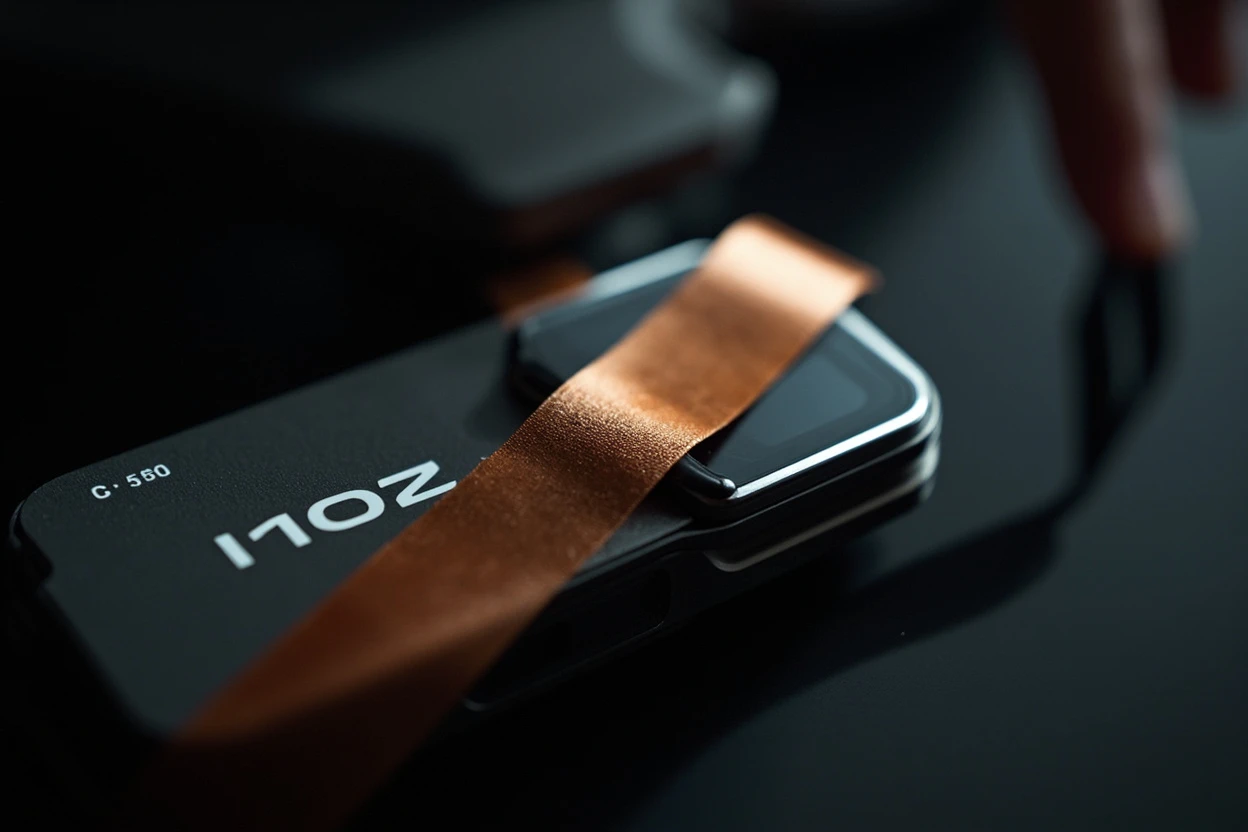
Xtra Technology markets a palm-sized gimbal camera called the Muse Pro. WaveGo Tech and SZ Knowact Robot sell hardware under the Skyrover name. Regulators say three separate overlaps tie all three back to DJI’s own products.
- Design – the Muse Pro’s body, controls and tagline, “From Pocket to Pro,” mirror the Osmo Pocket 4P closely enough that reviewers noticed on sight.
- Branding – WaveGo Tech and SZ Knowact Robot both operate behind the single Skyrover storefront instead of two competing brands.
- Testing – the same Chinese lab that certified DJI’s Osmo Pocket 4 and 4 Pro for US sale also certified WaveGo Tech’s hardware.
Those three overlaps are the pattern FCC investigators say they are checking across all eight firms. Products the agency had already approved under these brand names have since disappeared from its own equipment database, without a public explanation.
A Testing Lab in China Is the Bigger Target
Any electronic device sold in the US must pass an accredited lab’s certification before the FCC grants approval. That requirement is why the agency is now scrutinizing the labs themselves, not just the brands.
The FCC’s next move landed on May 11. It signaled plans to strip accreditation from SGS-CTST Standards Technical Services Co, the lab that certified DJI’s Osmo Pocket 4 and 4 Pro, plus WaveGo Tech’s hardware, for sale in the US.
Losing that accreditation would ripple well past DJI-linked gear. Any manufacturer that relies on the same lab to clear FCC equipment authorization could suddenly need a new tester and a fresh round of approvals. Digital Trends flagged that ripple as reaching well beyond the drone market.
FCC filings have exposed hardware secrets before. A separate filing showed a modem swap buried in Pixel 11 Pro Fold paperwork, using the same public database now central to the DJI case.
Where the Security Case Gets Contested
Not every recent finding points the same direction. An independent audit complicates the national security argument the Covered List rests on.
- The FCC and the administration – argue foreign-made drones pose an ongoing espionage and infrastructure risk, the rationale behind the Covered List itself.
- OnDefend – the US cybersecurity firm, staffed by former military and government security professionals, tested DJI’s Air 3S and Matrice 4E and found zero critical or high-risk vulnerabilities, with no data leaving US-based servers. A handful of low-risk findings turned up too, but the auditors concluded none amounted to a realistic threat.
- CineD and working filmmakers – the filmmaking outlet calls the front-company sweep “a selective crackdown that only hurts filmmakers,” a complaint creators echo as affordable gear options narrow.
DJI itself maintains the underlying ban is unfair, though it has stayed quiet on these specific front-company allegations. It has pushed other numbers into the fight: a survey tied to its new evidence submitted against the ban polled roughly 8,000 pilots and found 43% expect the restriction to be “extremely negative” or even business-ending for their operations.
What Breaks If the Firms Stay Silent
The eight companies have until Monday, July 20, six days from now, to answer the FCC’s questions. As of this week, none had.
The agency has said only that it will consider additional enforcement if the silence continues, without detailing what that looks like. Legal analysts writing for the security-industry publication ASIS International warn the Covered List’s reach could reshape liability across the drone industry, touching dealers and integrators as well as importers.
The same government squeezing DJI’s resellers is funding a domestic alternative at the same time. The Pentagon has committed a $150 million contract for 30,000 attack drones built outside Chinese supply chains, a bet on replacing the hardware it is busy blocking.
An April estimate tied to the broader ban put blocked DJI launches at $1.5 billion in lost US sales. Eight fines worth $200,000 barely register against that number, and DJI still has not said a word about the companies wearing its designs.


Dolly Parton’s $450 Million Fortune Keeps Working After Her Death

SpaceX’s $60B Cursor Buy Immediately Costs It OpenAI Models

Rays Forever Home Wins County Vote as College and Taxpayers Carry the Load

Apple TV Hits $14.99 as Sports and Hits Bill Comes Due

Swift Telescopes Restart as Orbit Drop Accelerates

Oracle’s 2.8 GW Bloom Deal Exposes the AI Power Bypass

Galaxy S26 Beta 7 Ports Fold 8 AI as Stable Nears

Walmart Pays $50 Million to Close Federal Opioid Pharmacy Case

Space Mirror Demo Revives 1993 Russian Night-Light Test

Measles Death Dispute Deepens Distrust in Pennsylvania Outbreak

Trump Iran Threat Wiped $238M Crypto Longs Then Flipped

30-Year Yield Hits 5.32% Highest Since 2007 as Debt Supply Locks In Costs

Oil Crashes Below $80 as Iran Talks Restart and Markets Split

Strategy Parks $1.59B Cash While Bitcoin Stack Stays Flat

The 20% Savings Ideal Meets a 2.7% Reality Check

Astute’s $1.2M bet makes B2B creator deals feed AI discovery

SpaceX Stock Rebound Tests Real Demand Before Huge Unlock

BlackRock Turns Cash Empire Into Stablecoin Reserve Rails

Amber’s €7M locks Mittelstand knowledge inside Europe

Walter’s TWG Insists No Fraud as Insurer Probes Force Cleanup
-
 FINANCE3 months ago
Zcash Patched a Double-Spend Bug as ZEC Climbed 5%
-
 ENTERTAINMENT3 months ago
Steam Summer Sale 2026 Locks In June 25 to July 9 Dates
-

 FINANCE2 months ago
CLARITY Act Final Text Expected This Weekend as 60-Vote Hurdle Looms
-
 NEWS4 months ago
Meta Adds AI Replies to Threads, But Users Can’t Block It
-

 NEWS3 months ago
YouTube Shorts is testing a heart in place of the thumbs-up
-

 NEWS1 month ago
Senators Force Apple Off Chinese Memory as Big Three Cash In
-

 NEWS3 months ago
NEURA Robotics’ $1.4B Series C Redraws Europe’s Physical AI Bet
-
 ENTERTAINMENT5 months ago
Extraction 3 Is Officially Coming to Netflix in 2027