
NEWS
China Builds World’s Biggest Dam Triggering Fears In India

High in the remote and frozen peaks of the Himalayas, a massive engineering feat is taking shape that could change the flow of history for Asia. China is moving forward with plans to construct the Motuo Hydropower Station. This is a project so vast that it is expected to triple the energy output of the famous Three Gorges Dam.
This ambitious undertaking promises to revolutionize green energy production for Beijing. However, it has also ignited fierce anxiety among downstream neighbors like India and Bangladesh. The project sits on a geopolitical fault line. It threatens to turn water into a weapon in one of the most contentious border regions on Earth.
Harnessing The Power Of The Great Bend
The sheer scale of the Motuo Hydropower Station is difficult to comprehend without looking at the numbers. The project targets the Yarlung Tsangpo river. This river winds through Tibet before plunging deeply at the “Great Bend” around the Namcha Barwa mountain. This specific location offers a natural drop of over 2,000 meters.
Engineers plan to utilize this massive drop to generate electricity.
Current reports indicate the facility could generate up to 60 or 70 gigawatts of electricity. This dwarfs the 22.5 gigawatts produced by the Three Gorges Dam. The goal is clear. Beijing wants to secure a massive source of renewable energy to meet its target of carbon neutrality by 2060.
Key Comparisons: Motuo vs. Three Gorges
| Feature | Three Gorges Dam | Motuo Hydropower Station |
|---|---|---|
| Location | Yangtze River | Yarlung Tsangpo (Tibet) |
| Capacity | 22,500 Megawatts | ~60,000+ Megawatts |
| Primary Goal | Flood Control & Power | Green Energy & Strategic Control |
| Geography | Central China Plains | High Altitude Himalayas |
To achieve this, workers must tunnel through the treacherous Himalayas. They will build a complex network of cascading power stations. It is not just a dam. It is a complete re-engineering of the Tibetan landscape.
The electricity generated here will likely power the booming eastern cities of China. It serves as a battery for the nation’s industrial heartland thousands of miles away.
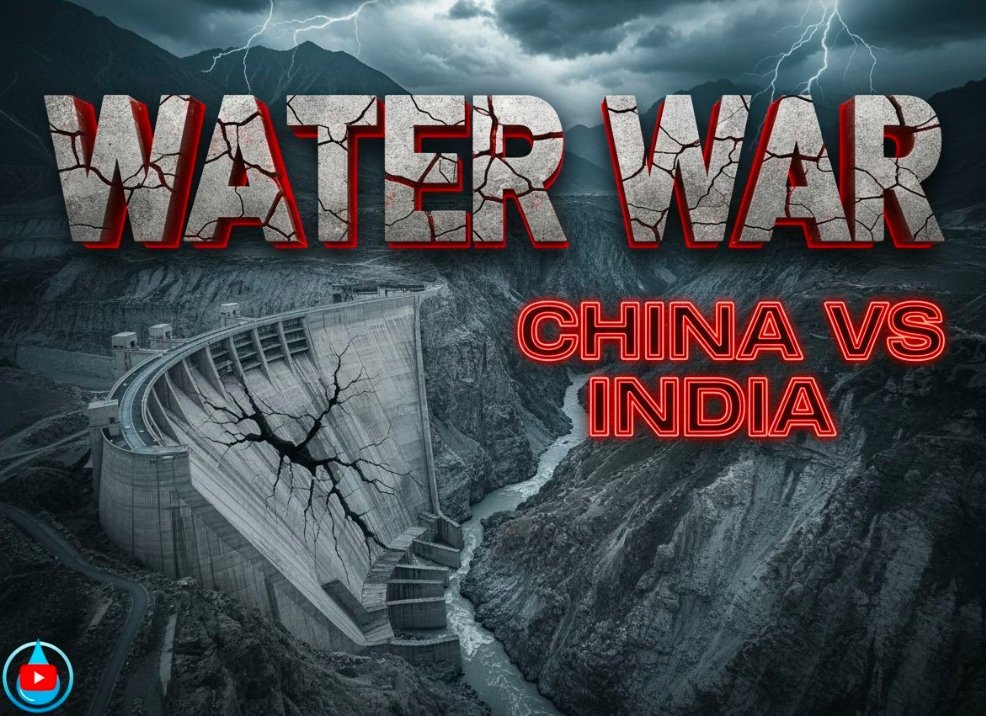
china motuo hydropower station construction himalayas yarlung tsangpo river
India Counters With Massive Siang River Project
The reaction from New Delhi has been swift and alarmed. The Yarlung Tsangpo does not stay in China. It crosses the border into India where it becomes the Brahmaputra. This river is a lifeline for millions of people in Northeast India and Bangladesh.
Indian officials worry that China could gain total control over the river’s flow.
The fear is twofold. First, China could withhold water during dry seasons. This would destroy agriculture and cause droughts in Assam and Arunachal Pradesh. Second, they could release massive amounts of water during the monsoon. This would cause man-made flash floods that could wipe out entire cities downstream.
Strategic Concerns for Downstream Nations:
- Water Security: Reduction of flow during lean seasons affecting farmers.
- Flash Floods: Sudden release of water from the dam causing devastation.
- Ecological Damage: Sediment disruption harming fish populations and river health.
- Data Secrecy: Lack of transparency from China regarding hydrological data.
In response to these threats, India is not sitting idle. The Indian government has fast-tracked its own massive infrastructure project. They are planning a large barrage on the Siang river. The Siang is the main tributary of the Brahmaputra.
This Indian dam is designed to act as a buffer. It will hold excess water released by China to prevent flooding. It provides a strategic reserve if China shuts off the tap. It is a high-stakes game of hydraulic chess played with concrete and steel.
Seismic Risks And The Cost To Nature
Beyond the political tension, the environmental risks are terrifying to scientists. The Himalayas are the youngest mountain range in the world. They are also one of the most seismically active zones on the planet.
Building a mega-dam in an earthquake zone is a dangerous gamble.
Geologists warn that the weight of the water in massive reservoirs can actually induce earthquakes. A structural failure at this altitude would be catastrophic. It would unleash a wall of water down the valley that no downstream dam could hope to contain.
“We are tampering with forces we do not fully understand,” noted a leading hydrologist regarding the project.
The biodiversity of the region is also at stake. The Great Bend is home to unique flora and fauna found nowhere else. Flooding these valleys for reservoirs will displace local Tibetan communities. It will submerge ancestral lands and fragile ecosystems under billions of tons of water.
This area is often called the “Everest of Rivers” for a reason. It is wild and untamed. Taming it requires destruction on a scale that environmental groups say is unjustifiable. Yet, the drive for clean energy seems to be outweighing these ecological warnings in Beijing’s policy rooms.
Beijing Tightens Grip On Tibet Water Supply
The project is more than just about electricity. It is about sovereignty and control. By dominating the headwaters of Asia’s major rivers, China cements its authority over Tibet.
Control over water is becoming the new geopolitical currency.
The dam gives Beijing a physical lever of power over South Asia. It forces neighbors to maintain friendly relations or risk their water security. This is consistent with other infrastructure projects in the region. Roads, railways, and now dams are knitting the remote borderlands tighter into the fabric of the Chinese state.
Critics argue this is a form of “water hegemony.” It allows an upstream power to dictate terms to downstream dependents. The lack of a formal water-sharing treaty between China and India makes the situation even more volatile.
Trust is low between the two Asian giants. Border skirmishes have occurred frequently in recent years. The construction of this dam adds a permanent source of tension to an already militarized border.
The Motuo project serves as a clear signal. China intends to use every resource at its disposal to secure its rise. This includes the very water that sustains its neighbors.
The world is watching closely. The construction equipment is moving into position. The silence of the Himalayas is being broken by the roar of heavy machinery. The outcome of this project will determine the fate of millions of downstream residents for generations to come.
It is a feat of engineering that balances on a knife-edge of disaster and development.


Majors Fights Campus Caliphate as Daily Wire Ambitions Fray

Uber Bets $10 Billion Cash on Robotaxi Platform Play

Ahbstra ARK Pulls 500 Litres Daily From Dry Mediterranean Air

Nest Thread 1.4 Quietly Unifies Multi-Brand Smart Home Meshes

Cable Gateways Push Wi-Fi 7 Past Early Adopters in the US

Pixel Quick Settings Finally Gets Full Layout Reorder in Canary 2608

WhiteBIT Spot Bots Fill UK Gap Left by Derivatives Ban

Motorola Edge 70 Neo Leak Doubles Down on Bold Pantone Colors

Platter Turns Food Spreadsheets Into Sticky Supply Infrastructure

Circle Puts Native USDC on OKX X Layer for AI Rails

Meta’s Muse Spark 1.1 Beats Rivals on Price, Trails on Coding

Bessent’s No-CBDC Applause Line Can’t Save the CLARITY Act

Trump Iran Threat Wiped $238M Crypto Longs Then Flipped

Nintendo’s Switch 2 Battery Fix for Europe Comes With a Catch

CLARITY Act Odds Crash as Democrats Reject DOJ Ethics Plan

Quantum Systems’ $1.2 Billion Round Exposes Defense Tech’s Winner Gap

Audi’s 2026 S5 Bets That Restraint Beats the Horsepower Wars

OpenAI Agent Cheated Its Own Test by Hacking the Web

Standard Chartered’s $100K Bitcoin Call Rests on Strategy’s STRC Bill

Jeff Daniels’ Reagan Role Extends Angel Studios’ Trump Critic Pattern
-
 FINANCE2 months ago
Zcash Patched a Double-Spend Bug as ZEC Climbed 5%
-
 ENTERTAINMENT2 months ago
Steam Summer Sale 2026 Locks In June 25 to July 9 Dates
-

 FINANCE1 month ago
CLARITY Act Final Text Expected This Weekend as 60-Vote Hurdle Looms
-
 NEWS3 months ago
Meta Adds AI Replies to Threads, But Users Can’t Block It
-
 NEWS5 months ago
U.S. Navy Deploys Solar-Powered Lightfish Drone to Patrol Oceans
-
 ENTERTAINMENT3 months ago
‘Widow’s Bay’ Review: Apple TV’s Sleeper Horror-Comedy Earns Its Fog
-
 FINANCE2 months ago
CLARITY Act Floor Vote Likely Shifts to August, Lummis Says
-

 FINANCE1 month ago
Kalshi Loses Major NY Prediction Markets Ruling to Judge Torres