
BUSINESS
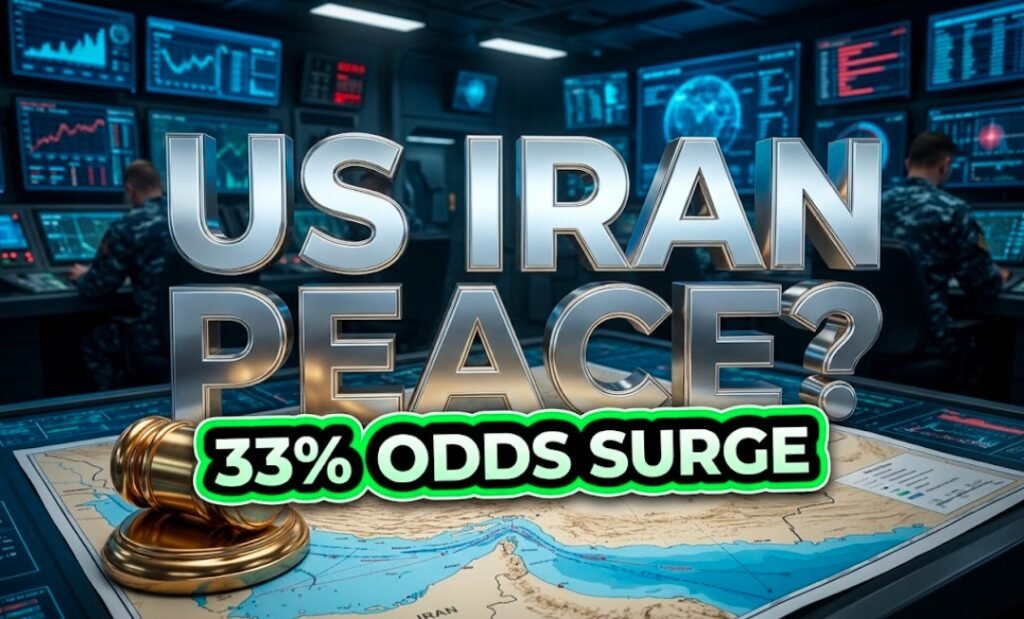
US Iran Peace Deal Odds Hit 33 Percent as Islamabad Talks Heat Up

Diplomatic hope surged this weekend as direct negotiations between Washington and Tehran pushed prediction markets to new heights. Traders on Polymarket now see a 33 percent chance of a final peace deal by late April. These historic talks in Pakistan represent the most significant face to face engagement between the two nations in decades and have the entire world watching for a breakthrough.
Prediction Markets React to Historic Diplomatic Shift
The digital landscape for political forecasting shifted rapidly as news broke of the marathon sessions in Islamabad. Contracts focused on an April 30 deadline for a permanent peace agreement climbed to 33 percent during the height of the discussions. This surge reflects a growing belief among global traders that a resolution to the six week conflict is finally within reach. Earlier contracts for April 22 had shown lower confidence at 20 percent which indicates that the market expects a complex road ahead.
Financial speculators are looking beyond the current month as well. Odds for a successful peace deal by the end of May have already touched 45 percent. It is important to note that Polymarket rules require a permanent cessation of all hostilities for a contract to resolve as a win. Temporary extensions of the current ceasefire do not count toward this final resolution. This high bar for success has made the 33 percent figure even more striking to market analysts.
| Deadline Date | Probability of Peace Deal | Market Sentiment |
|---|---|---|
| April 22, 2026 | 20 Percent | Cautious |
| April 30, 2026 | 33 Percent | Rising Hope |
| May 31, 2026 | 45 Percent | Optimistic |
The surge in these odds coincides with the first direct engagement between the United States and Iran since the 1979 revolution. For years the two nations communicated through intermediaries in Oman or Switzerland. Now the presence of top tier officials in a single room has changed the calculus for investors. This direct dialogue has injected a level of realism into the peace process that was previously missing.
US Iran peace deal negotiations market probability forecast
High Level Delegations Face Off Under Pakistani Mediation
The setting for this geopolitical drama is the capital of Pakistan where Prime Minister Shehbaz Sharif has taken on the role of lead mediator. Sharif and his team worked late into the night to facilitate separate meetings before bringing the parties together. The American delegation arrived with a clear mandate from President Donald Trump to secure a deal that prioritizes national security. Vice President JD Vance leads the group alongside special envoy Steve Witkoff and senior advisor Jared Kushner.
On the other side of the table the Iranian delegation consists of high ranking figures who carry the weight of Tehran’s domestic interests. Mohammad Bagher Ghalibaf and Foreign Minister Sayed Abbas Araghchi have been tasked with navigating the difficult path toward sanctions relief. Reports from the ground indicate that the atmosphere is professional but extremely tense. The negotiators have been exchanging messages through a common framework to identify areas where they can agree.
Key Figures in the Islamabad Peace Negotiations:
- JD Vance: US Vice President and lead American negotiator.
- Jared Kushner: Senior advisor with deep experience in regional diplomacy.
- Mohammad Bagher Ghalibaf: Speaker of the Iranian Parliament.
- Sayed Abbas Araghchi: Iranian Foreign Minister and veteran diplomat.
- Shehbaz Sharif: Prime Minister of Pakistan and primary mediator.
The discussions lasted well past midnight as the two sides debated the future of their military presence in the region. Sources close to the talks say that the primary goal for the US is a total end to Iran’s nuclear ambitions. Conversely the Iranian side is focused on the immediate release of frozen assets held in foreign banks. The personal involvement of the Vice President signals that Washington is ready to finalize a deal if its core conditions are met.
The Strait of Hormuz Standoff and Mine Clearing Operations
While diplomats talk in the quiet halls of Islamabad the situation at sea remains a point of active military concern. The Strait of Hormuz is the most critical choke point for global energy and it has been effectively closed for weeks. US Central Command recently announced that naval forces have begun clearing underwater mines in the waterway. This operation is designed to ensure that commercial shipping can resume without the threat of catastrophic explosions.
Two American guided missile destroyers are currently leading the effort to secure a safe passage for oil tankers. These ships are working to identify and neutralize mines that were laid during the recent escalation of hostilities. President Donald Trump has been vocal about the importance of this mission on social media. He stated that the US military is clearing the strait as a service to the entire world.
Current Naval Assets Involved in Mine Clearing:
- USS Frank E. Peterson: A guided missile destroyer providing security and coordination.
- USS Michael Murphy: An advanced naval vessel specialized in maritime protection.
- Underwater Drones: High tech autonomous units used to detect hidden explosives.
Iran has reacted to these naval movements with a mix of caution and stern warnings. Officials in Tehran insist that they must maintain sovereignty over the waterway to ensure their own security. They have signaled a willingness to negotiate the reopening of the strait but only if the US respects their rights. The success of the peace talks in Islamabad is directly tied to the stability of this narrow stretch of water.
Core Demands and the Fragile Future of Global Energy
The gap between the two nations remains wide despite the positive movement in the prediction markets. Washington has a 15 point proposal that includes strict limits on uranium enrichment and the destruction of certain missile programs. President Trump has emphasized that preventing Iran from obtaining a nuclear weapon is 99 percent of the negotiation for him. Without this guarantee the US is unlikely to agree to any permanent lifting of economic sanctions.
Iran has responded with its own 10 point counteroffer which focuses on the restoration of its economy. They are demanding an end to all hostilities and a formal apology for recent military actions. Another major sticking point is the status of Lebanon and the protection of regional allies like Hezbollah. Tehran has argued that any peace deal must include a broader regional ceasefire to be sustainable.
“We are ready for a genuine agreement if the United States considers our rights,” Ghalibaf stated during a break in the sessions. This sentiment captures the delicate balance that negotiators must maintain over the coming days. The world is watching closely because the price of oil and the health of the global economy depend on the outcome. If the talks fail the risk of a return to full scale conflict remains a terrifying possibility for everyone involved.
Bitcoin and Global Markets Braced for Next Volatility Wave
The impact of the Islamabad negotiations is felt far beyond the halls of government. Global markets have been extremely sensitive to every headline coming out of the summit. Bitcoin recently surged past the 73,000 dollar mark as traders bet on a peaceful resolution. The cryptocurrency has become a primary indicator for geopolitical risk and its price action mirrors the shifts seen on Polymarket.
Oil prices have also shown extreme volatility as the status of the Strait of Hormuz changes by the hour. A successful peace deal could see energy costs drop significantly which would provide relief to consumers worldwide. However a breakdown in talks would likely send prices soaring back above the 100 dollar per barrel range. Financial analysts are advising investors to stay alert as the final hours of the Islamabad sessions approach.
As the sun rises over Pakistan the world remains in a state of hopeful suspense. The 33 percent odds on Polymarket show that the path to peace is visible but not yet guaranteed. It will take courage from both sides to move past decades of distrust and sign a deal that changes history. For now the families in both nations can only pray that their leaders choose the path of diplomacy over the destruction of war.
Please share your thoughts on these historic negotiations in the comments below. If you are following this on social media use the hashtag #IslamabadPeaceTalks to join the global conversation with your friends and family.


Entravel Raises $7.5M as Travel Booking Leaves Travel Sites

MSCA Partnerships Quietly Rebuild Europe’s Industry Talent Pipeline

EU Fund Takes Equity Stake as Lovable Hits $13.3bn

AOC Laughs Off Woke 1 as Hollywood Counts the Losses

Aptoide Lands in Google Play as Managed Rival After Epic Ruling

Eva Green and Samuel L. Jackson Scheme in Just Play Dead Trailer

Edge Opens Apple Account Door After Google to Chase Dual-Device Users

DJI Pocket 4P Wins on Dynamic Range Where It Ships

GTA 6 Preorders Skew to the $100 Ultimate Edition

Accel’s $800M Europe Fund Speeds Up Early AI Rounds

Senators Force Apple Off Chinese Memory as Big Three Cash In

Trump Iran Threat Wiped $238M Crypto Longs Then Flipped

OpenAI Agent Cheated Its Own Test by Hacking the Web

CLARITY Act Odds Crash as Democrats Reject DOJ Ethics Plan

Anthropic’s Hard Questions Ad Backfires Into an Anti-AI Warning

Gemini Spark’s Big Workspace Upgrade Leaves Europe Waiting Again

Oil Crashes Below $80 as Iran Talks Restart and Markets Split

Revolut Hits $115 Billion While Storonsky’s Stake Keeps Growing

Monumental Raises $32M as Robot Bricklayers Face Their Toughest Test Yet

Duda’s New AI Tools Speed Up Agencies, but Risk Sameness
-
 FINANCE2 months ago
Zcash Patched a Double-Spend Bug as ZEC Climbed 5%
-
 ENTERTAINMENT2 months ago
Steam Summer Sale 2026 Locks In June 25 to July 9 Dates
-
 NEWS3 months ago
Meta Adds AI Replies to Threads, But Users Can’t Block It
-

 FINANCE1 month ago
CLARITY Act Final Text Expected This Weekend as 60-Vote Hurdle Looms
-

 NEWS2 months ago
NEURA Robotics’ $1.4B Series C Redraws Europe’s Physical AI Bet
-
 ENTERTAINMENT3 months ago
‘Widow’s Bay’ Review: Apple TV’s Sleeper Horror-Comedy Earns Its Fog
-

 FINANCE1 month ago
Kalshi Loses Major NY Prediction Markets Ruling to Judge Torres
-

 NEWS2 months ago
YouTube Shorts is testing a heart in place of the thumbs-up