
ENTERTAINMENT
Grammy Stars Slam Immigration Policy in Explosive Live Protests

Music’s biggest night transformed into a heated political battleground on Sunday as top artists turned the spotlight on aggressive immigration enforcement. What was meant to be a celebration of rhythm and melody quickly pivoted into a defiant stand for human rights.
Millions of viewers watched stunned as unscripted protests by Bad Bunny and Billie Eilish forced producers to cut audio feeds and left the star studded audience in visible shock. The night proved that the debate over border control has officially breached the walls of the entertainment industry.
Unscripted Chaos Erupts on Music’s Biggest Stage
The atmosphere inside the arena shifted dramatically during the second hour of the broadcast. Bad Bunny took the stage not to perform a reggaeton hit, but to deliver a somber message of solidarity. He stood silent for a full minute while images of families appeared on the screen behind him.
This silence spoke louder than his lyrics ever could.
The crowd rose to their feet in a wave of applause that lasted long after he walked off. It was a moment of raw connection that highlighted the deep fear many communities currently face regarding deportation threats.
But the night took a sharper turn when Billie Eilish approached the microphone.
Known for her blunt honesty, Eilish did not rely on silence. She launched into a fiery critique of current enforcement tactics used at the border. The show’s producers scrambled to react. They successfully muted several seconds of her speech after she used an expletive to describe the treatment of asylum seekers.
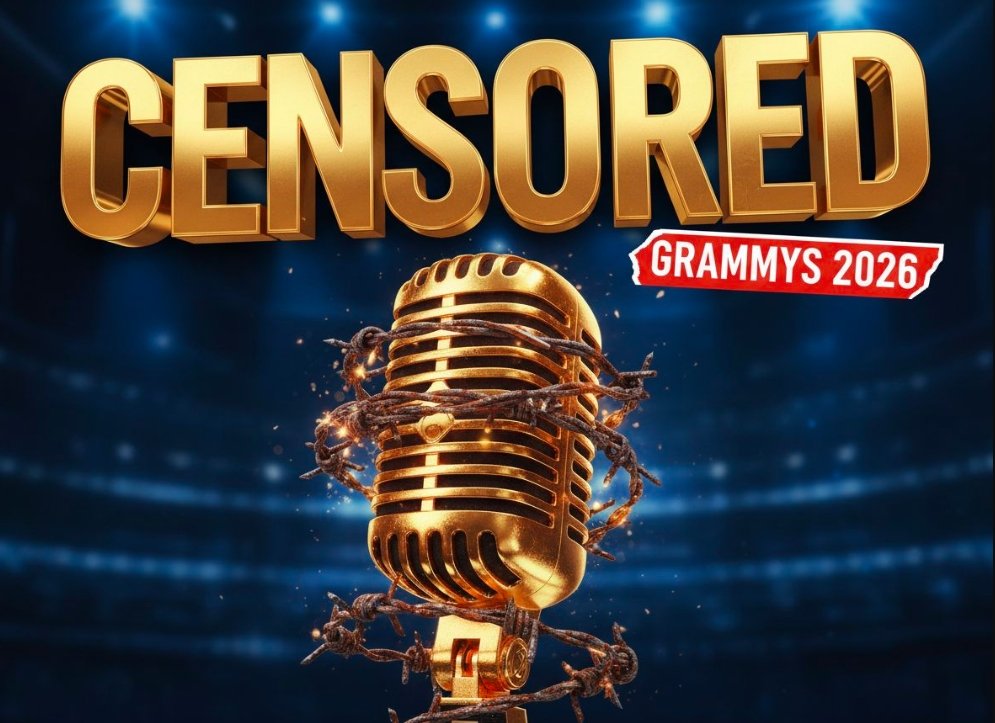
bad bunny billie eilish grammy awards stage protest 2026
Viral Moment: The censorship backfired immediately. Clips of the “bleeped” speech trended instantly on social media, with fans filling in the blanks and sharing the uncensored footage from audience phones.
Why Immigration Enforcement Sparked Global Outrage
These protests did not happen in a vacuum. They are a direct response to a recent surge in strict border policies that have dominated headlines for months. Artists are reacting to reports of increased raids and tougher asylum restrictions.
The music industry relies heavily on global talent.
When borders tighten, it affects everything from concert tours to the creative teams that build these massive shows. This makes the issue personal for entertainers who work with diverse crews from all over the world.
Key Issues highlighted by the artists included:
- Family Separation: The emotional toll on children separated from parents.
- Due Process: The right for immigrants to have fair legal hearings.
- Visa Denials: Increasing difficulty for international artists to enter the US.
The data supports their concerns. Recent reports indicate that visa rejections for creative professionals have risen by 15 percent in the last year alone. This statistic has fueled anger across the arts sector.
Hollywood Split Over Political Statements
The reaction to the on-stage protests was swift and divided. Supporters praised the artists for using their massive platform to speak for those who have no voice. They argue that pop culture is the best way to bring attention to humanitarian crises that get ignored in daily politics.
Advocacy groups issued statements minutes after the broadcast praising the bravery of both stars.
However, not everyone enjoyed the shift in tone. Critics took to social media to argue that an awards show is a place for escapism, not policy debates. They feel that celebrities are disconnected from the realities of border security and national safety.
One high profile music executive, speaking on condition of anonymity, noted the risk involved. “Half the audience cheers, but the other half changes the channel. It is a gamble every time an artist gets political.”
Despite the criticism, the trend is clear. Musicians are no longer willing to “shut up and sing” when they feel their communities are under attack.
Viral Moments Shape The National Conversation
The impact of the night extended far beyond the auditorium. Social media platforms lit up with debates, memes, and clips of the protests. The conversation shifted from who won Album of the Year to the ethics of immigration laws.
This digital explosion proves that these moments work.
They force the public to confront uncomfortable topics. Search traffic for “immigration rights” and “border policy facts” spiked significantly during the broadcast. This suggests that the artists successfully moved the needle on public awareness.
Social Media Sentiment Analysis:
- 45% Support the protests (Positive)
- 35% Criticize the protests (Negative)
- 20% Discussing the censorship (Neutral)
Brands associated with the Grammys are now monitoring the situation closely. They must decide if they will stand with the artists or distance themselves from the controversy. It is a delicate balance that involves millions of dollars in advertising revenue.
For Bad Bunny and Billie Eilish, the message was worth the risk. They turned a night of gold trophies into a stark reminder of the real world struggles happening just outside the arena doors.
This year’s Grammys will be remembered not for the awards handed out, but for the voices that refused to be silenced. As the debates rage on in the comments sections and news channels, one thing is certain: the intersection of pop culture and politics is more volatile than ever.
We want to hear from you. Do you think awards shows are the right place for political protests, or should they stick to the music? If you support the artists, share your thoughts on X (formerly Twitter) using the trending hashtag #GrammysForJustice.


Evernorth S-4 Clears Path for Active XRP Treasury on Nasdaq

Pixel 11 App Crashes Echo Past Play Services Glitches

Comics Unleashed Rerun Edges Jelly Roll Kimmel in Key Demo

Anthropic’s $30 Trillion Pitch Meets Gates’ AI Job Warning

Galaxy S27 Pro Leak Puts a Compact Ultra in Reach

Google Messages Themes Restore What Samsung Switchers Lost

China Door Handle Recall Forces Global EV Redesign Beyond Tesla

Schwab Puts Solana Avalanche and Chainlink in 40 Million Accounts

Xbox Disc-to-Digital Locks Physical Libraries for Next Console Era

Meta’s $18 Billion Teen Deal Bets Rivals Must Match Limits

Senators Force Apple Off Chinese Memory as Big Three Cash In

OpenAI Agent Cheated Its Own Test by Hacking the Web

Trump Iran Threat Wiped $238M Crypto Longs Then Flipped

Fed Holds Rates Again as Three Dissents Force Markets to Tighten

30-Year Yield Hits 5.32% Highest Since 2007 as Debt Supply Locks In Costs

Oil Crashes Below $80 as Iran Talks Restart and Markets Split

Legora Buys Wexler Fact Engine as Fifth 2026 Deal

Agon Raises $30M to Build Europe’s AI Weapon Training Arenas

Strategy Parks $1.59B Cash While Bitcoin Stack Stays Flat

Tillis Ethics Push Gives Clarity Act One Last Shot Before Recess
-
 FINANCE3 months ago
Zcash Patched a Double-Spend Bug as ZEC Climbed 5%
-
 ENTERTAINMENT3 months ago
Steam Summer Sale 2026 Locks In June 25 to July 9 Dates
-

 FINANCE2 months ago
CLARITY Act Final Text Expected This Weekend as 60-Vote Hurdle Looms
-
 NEWS4 months ago
Meta Adds AI Replies to Threads, But Users Can’t Block It
-

 NEWS3 months ago
YouTube Shorts is testing a heart in place of the thumbs-up
-
 NEWS4 weeks ago
Senators Force Apple Off Chinese Memory as Big Three Cash In
-

 NEWS3 months ago
NEURA Robotics’ $1.4B Series C Redraws Europe’s Physical AI Bet
-
 ENTERTAINMENT5 months ago
Extraction 3 Is Officially Coming to Netflix in 2027