
FINANCE
Super.com’s $1.2 Billion Valuation Comes With a Shareholder Cash-Out
TPG led a $65 million round valuing Super.com at $1.2 billion, but a filing shows much of the cash bought out existing shareholders, not the company.

Super.com raised $65 million in a Series D round led by TPG this week, valuing the savings app at $1.2 billion. The San Francisco company says 2025 revenue topped $200 million, up more than 50% year over year, and that it is now profitable.
A federal filing tells a different part of the story. Much of the new cash never touched Super.com’s own accounts; it bought out existing shareholders instead. And the complaint boards for an app built around the phrase “everyday Americans” are full of exactly that group, flagging surprise charges and credit reports that never showed up.
TPG Values Super.com at $1.2 Billion, Up 71% From 2023
The round closed July 7, 2026. It is Super.com’s fourth institutional raise since Hussein Fazal and Henry Shi founded the company in Toronto in 2016 as SnapTravel, a hotel-booking chatbot that survived a near-death experience during the pandemic. J.P. Morgan Securities LLC ran the process as sole placement agent.
The jump in value is steep. The Globe and Mail, a Canadian newspaper, reported that investors priced the company at $700 million in 2023, when it raised $85 million. Three years later, TPG’s new investment values the same business at $1.2 billion, a 71% increase.
Growth explains the enthusiasm. Super.com says it surpassed $200 million in net revenue last year, split between recurring subscription income and one-off transactions. Its Super+ membership, a $15-a-month bundle of travel discounts, cashback and credit tools, is nearing 1 million subscribers. More than half of the app’s U.S. hotel bookings now come from people paying for that membership.
| Round | Announced | Amount Raised | Valuation |
|---|---|---|---|
| Growth round | 2023 | $85 million | $700 million |
| Series D | July 2026 | $65 million | $1.2 billion |
Osler, Hoskin & Harcourt LLP and Skadden, Arps, Slate, Meagher & Flom LLP served as legal counsel on the Canadian and U.S. sides of the deal.
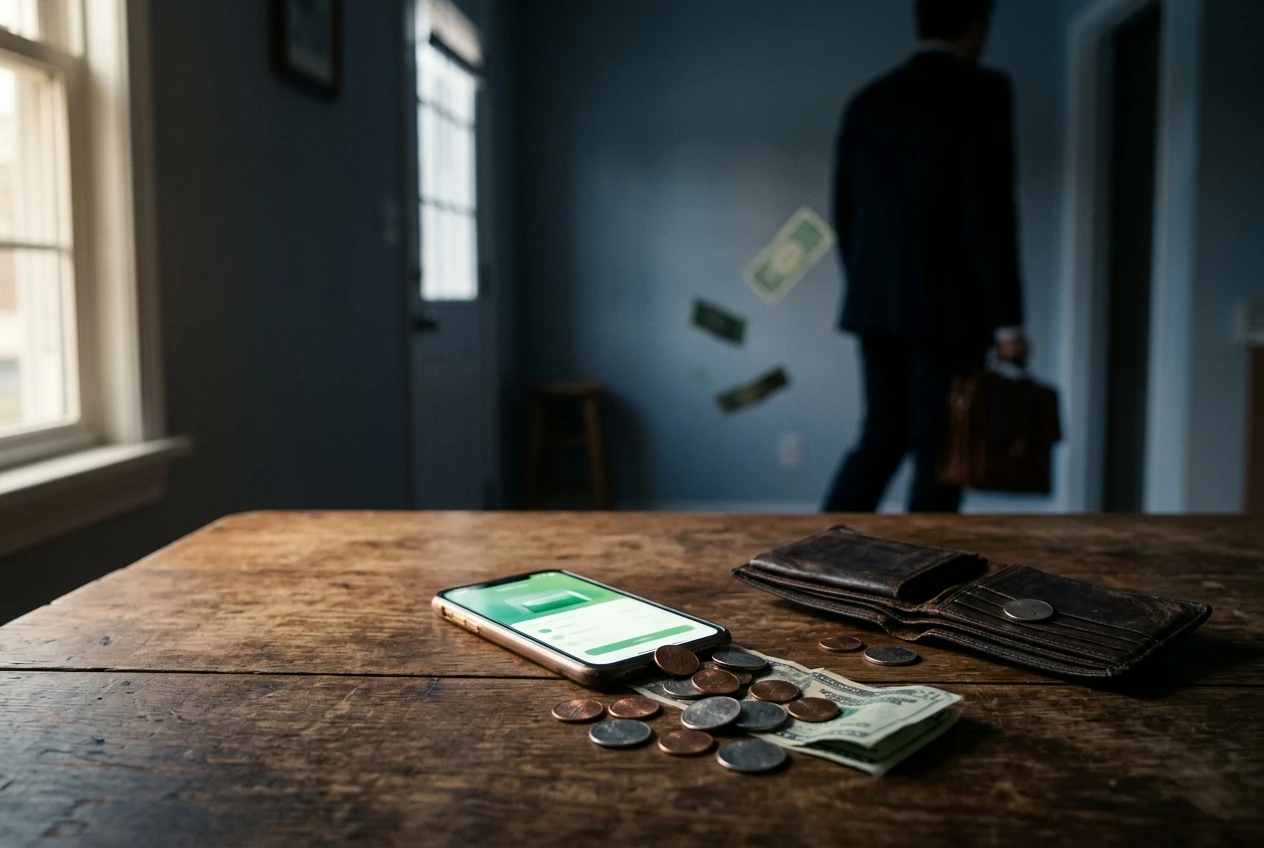
$48 Million of the Round Never Reached Super.com
Super.com has not said publicly how the $65 million splits between new capital and a shareholder buyout. But The Globe and Mail reported that a filing with the federal government shows the company issued just $17 million in new shares as part of the transaction. That leaves roughly $48 million that, by that arithmetic, went to existing investors selling out of the company rather than into its own accounts.
Secondary sales like this are ordinary in later-stage rounds. They let early employees and investors turn paper gains into cash without waiting for an IPO. They also mean part of a headline valuation reflects a trade between existing owners rather than fuel for the business itself.
Fazal told The Globe and Mail the company fielded five offers and chose TPG, a U.S. asset manager, for its ability to keep backing later financings through to a possible initial public offering. Harley Finkelstein, Shopify’s president, joined Super.com’s board as an observer and put in his own money alongside the round.
“Hussein and his team are doing what the best entrepreneurs do,” Finkelstein said in Super.com’s funding announcement, describing the deal as one that takes benefits once reserved for wealthier households and extends them to everyone else, a bet he called category-creating.
TPG partner Arun Agarwal said the firm looks for companies “reshaping and enhancing the consumer experience through technology,” and called Super.com “purpose-built for value-conscious consumers.”
The Case Super.com Makes for Everyday Americans
Fazal’s pitch starts with a gap he says traditional rewards programs never closed. Premium cards from American Express and Chase reward high earners with strong credit. Lower-income consumers paying with debit or secured cards rarely see the same perks, even though they often need the savings more.
That imbalance echoes a wider pattern in American household finances, where the wealthiest families now control roughly half of all financial wealth in the country.
In 2022, Fazal flew 200 Super.com employees to Las Vegas and had them cash a $200 check at a payday loan shop, then buy a week of groceries with what was left. He wanted the team to feel what customers feel. The company was worth about $700 million at the time, Fortune reported.
Finkelstein described the mission to Fortune this way: “Super.com is doing something that’s almost the opposite of Amazon Prime.” “Amazon made spending frictionless for people with means,” he said. “Super.com is making savings frictionless for the 100 million Americans living paycheck to paycheck.”
- 100 to 150 million Americans fall into the under-$100,000 household income bracket Fazal calls his core customer.
- 75% of that group lacks $500 in savings for an emergency, by the company’s own account.
- 183 million Americans with low to medium credit scores make up Super.com’s addressable market, according to independent research firm Sacra.
- More than $1 billion in direct customer savings claimed since the company’s 2016 founding.
Those numbers are the customer base TPG just bought into.
Is the $15 Super+ Membership Worth It?
Whether Super+ pays for itself depends on how a member actually uses it. A $15 monthly fee clears its own cost only under specific conditions, and outside those conditions it becomes a recurring charge some members say they forgot they were paying.
Firstcard, a consumer finance comparison site, calculated three scenarios where the membership breaks even.
- A hotel booking saves more than $15 against the next best available rate.
- Monthly spending on the Super.com Card reaches at least $750, since 2% cashback covers the fee.
- A member takes at least one cash advance that would otherwise carry a fee elsewhere.
Outside those scenarios, the site found, the fee turns into what its review called “a quiet drag” on the account. Not every member reaches the break-even point cleanly, either. One Google Play reviewer said she paid the fee only to find her identity could not be verified for a cash advance or the Super Card, calling the $15 charge “quite ridiculous” before deleting the app.
Fees and Credit Reports Top the Complaint List
Complaints across the Better Business Bureau (BBB), the app stores and Trustpilot cluster around three things: surprise enrollment, slow cancellations and credit reporting that does not show up on schedule.
One BBB complaint described being charged $15 twice without ever signing up for the membership; the charge was refunded once flagged. A larger case involved a promotional offer on a rideshare checkout page that enrolled a customer in Super+ without a clear notice. Super.com refunded $136.97 covering the full membership charge history once the complaint reached the bureau.
On the Apple App Store, one reviewer said the Super Card, a secured card with a promised $5,000 reporting limit, still had not appeared on any of the three credit bureaus after three months of payments. Super.com’s developer response said the card should report between the 10th and 15th of each month, showing up on credit files 30 to 60 days after issuance and identity verification.
Trustpilot reviewers raise a related complaint, that the recurring charge is not disclosed clearly enough at signup. More than 58,000 people have left a rating on the platform.
What we know:
- Documented complaints span at least four platforms, citing surprise charges, cancellation friction and delayed credit reporting.
- Individual refunds have followed at least some BBB complaints, including one full refund of $136.97.
What’s unconfirmed:
- No published complaint rate shows what share of Super.com’s nearly 1 million Super+ members have filed a formal complaint.
- Whether the credit reporting delays reviewers describe reflect a systemic issue or isolated verification failures has not been independently confirmed.
Super.com’s public replies typically point customers to its review support inbox or note that identity checks and reporting windows can take weeks to clear.
A Crowded Field Chases the Same Wallet
Super.com is not the only company chasing budget-conscious households. Fortune has reported the personal finance apps market is projected to grow from $31.7 billion to $173.6 billion by 2035, and competitors want the same customers: Rakuten on cashback, Capital One Shopping on deal hunting, and newly public Chime on banking for thin-file customers.
In cash advances alone, Super.com competes with Dave, a NASDAQ-listed rival that reports roughly $259 million in trailing revenue from 11 million customers and about $24 in average revenue per user (ARPU), along with Earnin, MoneyLion and Brigit.
Fazal has acknowledged the crowding directly. Rakuten offers cash back and Chime builds credit scores, while Expedia, Booking and Hopper dominate online travel, he told The Globe and Mail, arguing “our app is pretty unique” for bundling all of it into one membership aimed at lower earners.
The company is also betting on reach beyond fintech circles. NASCAR named Super.com its official savings partner this year, putting the app in front of the racing series’ 70 million fans, a mainstream audience the company says overlaps with its target customer.
Fazal told The Globe and Mail he expects revenue to grow at least 30% in 2026. Whether that growth arrives with fewer fee complaints or more of them at a larger scale is what TPG’s $65 million is now betting on.
Frequently Asked Questions
What Bank Issues the Super.com Card?
Super.com’s secured Mastercard is issued through a partnership with Republic Bank & Trust Co., a Louisville, Kentucky bank, part of the company’s early pivot toward customers who pay with debit rather than credit. The card reports activity to Experian, TransUnion and Equifax, though some users say the reporting lag runs 30 to 60 days after signup.
How Does Super.com Actually Make Money?
The company layers several revenue streams: commissions from travel bookings, the $15 monthly Super+ fee, interchange revenue when members use the Super.com Card, cash advance fees and affiliate commissions from retail partners, according to Sacra’s analysis. Fazal has said a strong cross-sell rate between those products lets the company spread out customer acquisition costs rather than relying on one revenue line.
Is Super.com Registered With the Better Business Bureau?
Yes. Its BBB file was created in June 2018, and as of February 2026 the bureau’s logged complaints centered mostly on Super+ subscription cancellation friction rather than the app’s travel or cashback features, per a review published by consumer finance site Firstcard.
Who Else Has Invested in Super.com Besides TPG?
Backers include NBA star Stephen Curry, Shopify president Harley Finkelstein, Inovia Capital and consumer brand financier Lion Capital LLP. TPG now joins that group as the lead investor on the Series D round.
Disclaimer: This article is for informational purposes only and does not constitute financial advice. Consumer fintech products, including cash advances, secured credit cards and paid membership apps, carry fees and risks that vary by user. Readers should consult a licensed financial advisor before making decisions based on this reporting. Figures are accurate as of publication on July 11, 2026.


Space Cargo Buys Into France’s Zero-G Flight Company

The $399 Omni Walks Away, Then Asks for a Dock

TECNO’s 0mm Bezelless Phone Still Needs a Rim

The Ryobi Tools That Unblocked a Garage Workbench

Ripple’s 700 Million XRP Re-Lock Repeats a Yearlong Pattern

The 2026 Kawasaki Ninja ZX-10R Matches Honda’s Price

Chainlink Puts Official US Inflation and GDP Onchain

Google Pushes Gemini Daily Brief off the Chat Screen

The Crosshair A16 HX Outruns Its Own Power Brick

Cloover Turns a $350 Million Installer Book Into a Utility

30-Year Yield Hits 5.32% Highest Since 2007 as Debt Supply Locks In Costs

Walter’s TWG Insists No Fraud as Insurer Probes Force Cleanup

Astute’s $1.2M bet makes B2B creator deals feed AI discovery

Strategy Parks $1.59B Cash While Bitcoin Stack Stays Flat

BlackRock Turns Cash Empire Into Stablecoin Reserve Rails

The 20% Savings Ideal Meets a 2.7% Reality Check

SpaceX Stock Rebound Tests Real Demand Before Huge Unlock

Amber’s €7M locks Mittelstand knowledge inside Europe

Monzo chair Gary Hoffman exits after board revolt fallout

PCE Stays at 3.7% as Gas and Tariffs Outrun Coming Revisions
-
 FINANCE3 months ago
Zcash Patched a Double-Spend Bug as ZEC Climbed 5%
-
 ENTERTAINMENT3 months ago
Steam Summer Sale 2026 Locks In June 25 to July 9 Dates
-

 FINANCE2 months ago
CLARITY Act Final Text Expected This Weekend as 60-Vote Hurdle Looms
-
 NEWS4 months ago
Meta Adds AI Replies to Threads, But Users Can’t Block It
-

 NEWS3 months ago
YouTube Shorts is testing a heart in place of the thumbs-up
-

 NEWS1 month ago
Senators Force Apple Off Chinese Memory as Big Three Cash In
-

 NEWS3 months ago
NEURA Robotics’ $1.4B Series C Redraws Europe’s Physical AI Bet
-
 ENTERTAINMENT5 months ago
Extraction 3 Is Officially Coming to Netflix in 2027