
LIFESTYLE
2026 Kawasaki Versys 650 Still Quietly Wins Daily Plus Weekend Duties
Hands-on 2026 Kawasaki Versys 650 review shows the middleweight’s high-50s mpg, standard saddlebags and all-day seat still beat hype for real riders needing.

The 2026 Kawasaki Versys 650 LT ABS returned from a 600-plus-mile Los Angeles-to-Kings Canyon weekend averaging high-50s mpg, carrying camping gear in its standard hard cases, and leaving its tester free of seat ache. Base price lands at $11,084 with destination. That combination still flies under the radar while bigger adventure bikes and fresh crossovers collect the attention.
Travis Langness of SlashGear spent weeks commuting on the bike then pointed it north for three days of roads and camping. The middleweight did the job. It also exposed the usual gaps that keep it honest.
The Bike Kawasaki Built for Any Road
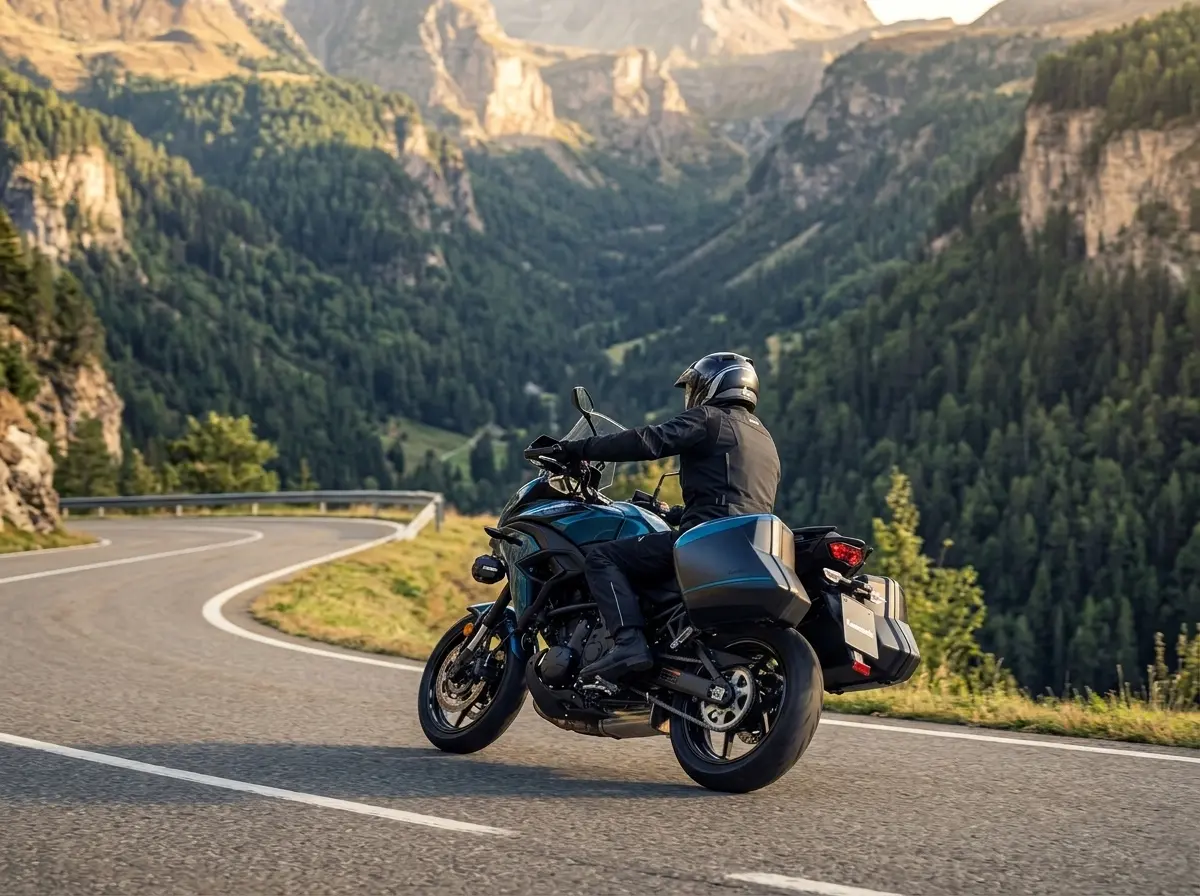
Kawasaki positions the Versys 650 as the versatile middle child between the small Versys-X 300 and the fully loaded Versys 1100 SE LT. The 2026 LT ABS version carries a hard saddlebags featuring KQR mounts, hand guards, adjustable windscreen, TFT display with Rideology app connectivity, KTRC traction control, and ABS as standard.
The parallel-twin engine is a 649 cc liquid-cooled DOHC unit good for 66 hp at 8,500 rpm and 45 lb-ft at 7,000 rpm. Curb weight sits at 482.9 lb before the roughly 20 lb the bags and guards add. Seat height is 33.3 inches. Fuel capacity is 5.5 gallons. The official base MSRP of $10,399 plus destination of $685 produces the $11,084 out-the-door starting figure dealers work from.
Long-travel suspension (5.9 in front, 5.7 in rear) with preload adjustment and an upright riding position define the posture. It is not an off-road weapon. It is a street-focused tourer that borrows the tall stance for visibility and comfort.
That tall stance also helps in traffic. The rider sees farther over car roofs, and the upright bars keep wrists neutral when the bike is stopped or crawling. For a machine aimed at mixed commuting and weekend miles, those small geometry choices matter as much as the headline power figure.
Power That Works When Loaded
On paper 66 horsepower looks modest next to larger twins. On the road with a rider, two full side cases and a backpack strapped on, the engine felt adequate for highway and canyon work but asked for extra revs on long grades into Kings Canyon.
- 66 hp and 45 lb-ft arrive early and flatten low in the rev range
- Six-speed gearbox shifts lightly; no quickshifter is offered or available
- Loaded climbs required dropping a gear or two more often than the tester preferred
- Unladen or lightly packed commuting felt far less stressed
Langness noted the torque is easy to modulate and never thrilling. For the bulk of daily and weekend use it proved enough. Owners on X routinely describe the same bike as a high-mileage workhorse that simply keeps going, which matches the platform’s long record.
The absence of a quickshifter keeps the package simple and the price contained. Riders who want clutchless shifts will look at rivals. Riders who value a light, familiar gearbox and a twin they already know from the Ninja 650 family will not miss it on most days.
Luggage Reality on a Real Trip
The two standard hard cases swallowed a sleeping roll, sleeping bag, Jetboil, quick-dry towel, dehydrated meals, camp shoes, tire inflator, tent and first-aid kit. Clothes, water and a folding chair went into a backpack lashed to the rear. A top case would have changed the equation; Kawasaki sells a bracket and cases near $300 each.
In city use the side bags make a strong case for commuting groceries or a change of clothes, yet a top case alone often works better for lane splitting. The full three-case setup remains the gold standard for two-up or multi-day loads. The Versys ships with the pair of sides already sorted, which is more than many rivals offer out of the crate.
That factory luggage decision shapes the whole ownership story. Buyers do not start by hunting brackets and aftermarket boxes before the first overnight. The bike arrives ready for a weekend load, and the optional top case becomes a later upgrade rather than a prerequisite.
Comfort Seat vs the Windscreen Fight
The single-piece seat earned repeated praise. A passenger called it comfortable after city rides. The tester never went seat-sore across more than 600 miles. Controls fell readily to hand and the upright posture stayed natural all day.
The adjustable windscreen told a different story. At 5-foot-9 Langness could not find a height that kept his helmet out of the turbulent zone above roughly 55 mph. Noise exceeded what he hears on his own naked bike. Standing on the pegs or tucking helped only briefly. Earplugs became mandatory. He would fit a taller aftermarket screen or remove the stock one entirely if he owned the bike. The same complaint appeared on the Ninja 1100 he tested earlier.
Fuel economy offset some frustration. Several stretches delivered high-50s mpg; one flat highway run approached 60. With the 5.5-gallon tank that translates to more than 200 miles between fill-ups even fully loaded and with a non-aero rider.
Comfort on this bike is therefore split. The seat and ergos carry the long days. The screen remains the item most likely to be swapped or deleted once the owner knows their height and preferred pace.
What Comes Standard and What Costs Extra
Standard kit already includes the bags, hand guards that actually block wind and bugs, adjustable screen, adjustable preload, TFT instrumentation and smartphone connectivity. Heated grips run about $477. A DC outlet is $115 and a USB socket $156; empty spots on the bike make the additions obvious. Cruise control is neither standard nor optional. A simple $10 Crampbuster throttle aid stood in for it and worked well.
- Heated grips: about $477
- DC outlet: $115
- USB socket: $156
- Crampbuster-style throttle aid: about $10
- Top-case bracket and cases: near $300 each
The accessory path is clear and modest. Most of the touring hardware is already on the bike; the extras fill comfort and power-port gaps rather than basic carrying capacity.
| Model | Engine / Power | Claimed Seat / Tank | Key Standard Touring Gear | Approx. Starting Price |
|---|---|---|---|---|
| 2026 Kawasaki Versys 650 LT ABS | 649 cc twin / 66 hp | 33.3 in / 5.5 gal | Hard side cases, hand guards, adj. screen, KTRC, TFT | $11,084 (w/ dest.) |
| Suzuki SV-7GX | 645 cc V-twin / ~72 hp | 31.3 in / 4.6 gal | Rear carrier, TFT, modes, traction, USB-C, QS | Lower mid-$8k-$9k range |
| Yamaha Ténéré 700 | 689 cc twin / higher output | Taller ADV stance | More off-road focused, spoked wheels typical | Higher than Versys |
The table shows the Versys trading some electronics and a lower seat for luggage already fitted and a larger tank. That trade defines its place.
How It Stacks Against the New Challengers
SlashGear flagged the Yamaha Ténéré 700 for buyers who want real off-road ability and the new Suzuki SV-7GX for equipment value. The Suzuki brings a bi-directional quick shifter and lower seat, ride-by-wire modes, traction control and a standard rear carrier at a lower base price. It does not include side cases as standard. The Versys answers with the bags already mounted, more fuel capacity and a proven parallel-twin character that many riders already know from the Ninja 650 family.
Chinese middleweights undercut both on price and increasingly on equipment. The Versys still sells the Kawasaki dealer network, parts availability and the quiet reputation for durability that keeps high-mileage examples on the road.
Choosing among them is less about peak horsepower and more about which gaps a rider will accept. Off-road reach favors the Ténéré. Spec-sheet value and a lower seat favor the Suzuki. Ready luggage, tank range and a long service record favor the Versys.
Why Owners Keep Choosing It
The platform dates to 2007. Early models won Motorcycle of the Year and class awards. Later updates added the TFT, Bluetooth, LED lighting and traction control. The core engine and chassis have stayed familiar. Owner comments across forums and recent posts describe 75-mile daily commutes, Iron Butt-style days, 90,000-mile first-generation bikes and used examples that simply keep running with basic care.
That pattern is the sleeper story. Riders who need one motorcycle for weekday traffic and Saturday mountains keep landing on the Versys 650 because the seat, range and standard luggage already solve the daily problem. The missing cruise control and imperfect screen become accessory-list items rather than deal-breakers. Fully loaded mountain grades remind you it is still a middleweight. Most of the time that is exactly the point.
Langness summed it up as an excellent daily rider with enough talent for weekend expeditions, not a continent-crosser. For the majority of riders who never cross a continent, the distinction barely matters.
How the Platform Evolved Since 2007
Longevity is part of the pitch. The Versys 650 did not arrive fully formed as a 2026 LT ABS; it accumulated the features buyers now treat as baseline.
- 2007: Platform launch; early models took Motorcycle of the Year and class awards.
- Later updates: TFT display, Bluetooth connectivity, LED lighting and KTRC traction control joined the bike.
- Core carryover: The parallel-twin character and chassis layout stayed familiar across generations.
- In the field: Owners report 75-mile daily commutes, Iron Butt-style days and first-generation examples past 90,000 miles.
That slow, steady path explains the used market and the owner loyalty. Riders who learned the bike a decade ago still recognize the 2026 machine. Parts and habits transfer. The updates modernize the cockpit without forcing a full relearn of the chassis.
The Fuel Range Supports Real Weekends
Range is easy to overlook next to horsepower charts, yet it shaped the Los Angeles-to-Kings Canyon trip as much as the seat did. High-50s mpg in mixed use, with one highway stretch near 60, turned the 5.5-gallon tank into more than 200 miles of practical reach even when loaded.
For a three-day camping loop that means fewer fuel stops and less planning around stations in the mountains. For a 75-mile commute it means most riders fill up on a relaxed schedule rather than every other day. The upright, non-aero posture still delivers those numbers, which is the point of a street tourer that refuses to demand a full tuck.
Economy also softens the middleweight power story. The engine works harder on long grades when the bags are full, but it does not punish the rider at the pump for carrying weekend gear. That balance keeps the bike honest for the use case Langness described: daily duty first, expedition second.
Frequently Asked Questions
What is the 2026 Kawasaki Versys 650 horsepower and torque?
Official figures list 66.0 hp at 8,500 rpm and 45.0 lb-ft at 7,000 rpm from the 649 cc liquid-cooled parallel twin. Peak numbers sit higher in the rev range than some rivals, yet real-world delivery favors the midrange for touring loads.
Does the 2026 Versys 650 come with hard saddlebags standard?
Yes on the LT ABS model. The 28-liter KQR hard saddlebag set mounts without tools, uses the ignition key for the One Key System, and can hold a full-face helmet in each case. A top-case bracket remains an accessory.
How far can the Versys 650 go on a tank?
The 5.5-gallon tank plus observed high-50s to near-60 mpg economy supports more than 200 miles between fill-ups even with a loaded bike and upright rider. Lighter loads and gentler throttle stretch that figure further.
Is cruise control available on the 2026 Versys 650?
No. Kawasaki does not offer factory cruise control as standard or as an option on this model. Simple aftermarket throttle aids such as a Crampbuster provide a low-cost workaround for wrist fatigue on long highway stretches.
How does the Versys 650 compare in price to the Suzuki SV-7GX?
The Versys LT ABS starts at $10,399 plus $685 destination. The SV-7GX undercuts that base price in most markets while adding a quickshifter and lower seat but omitting standard side cases. Final out-the-door figures depend on dealer fees, color and accessories.


Entravel Raises $7.5M as Travel Booking Leaves Travel Sites

MSCA Partnerships Quietly Rebuild Europe’s Industry Talent Pipeline

EU Fund Takes Equity Stake as Lovable Hits $13.3bn

AOC Laughs Off Woke 1 as Hollywood Counts the Losses

Aptoide Lands in Google Play as Managed Rival After Epic Ruling

Eva Green and Samuel L. Jackson Scheme in Just Play Dead Trailer

Edge Opens Apple Account Door After Google to Chase Dual-Device Users

DJI Pocket 4P Wins on Dynamic Range Where It Ships

GTA 6 Preorders Skew to the $100 Ultimate Edition

Accel’s $800M Europe Fund Speeds Up Early AI Rounds

Senators Force Apple Off Chinese Memory as Big Three Cash In

Trump Iran Threat Wiped $238M Crypto Longs Then Flipped

OpenAI Agent Cheated Its Own Test by Hacking the Web

CLARITY Act Odds Crash as Democrats Reject DOJ Ethics Plan

Anthropic’s Hard Questions Ad Backfires Into an Anti-AI Warning

Oil Crashes Below $80 as Iran Talks Restart and Markets Split

Gemini Spark’s Big Workspace Upgrade Leaves Europe Waiting Again

Revolut Hits $115 Billion While Storonsky’s Stake Keeps Growing

Snapseed’s RAW Update Fixes Android, Leaves iPhone Waiting

Monumental Raises $32M as Robot Bricklayers Face Their Toughest Test Yet
-
 FINANCE2 months ago
Zcash Patched a Double-Spend Bug as ZEC Climbed 5%
-
 ENTERTAINMENT2 months ago
Steam Summer Sale 2026 Locks In June 25 to July 9 Dates
-

 FINANCE1 month ago
CLARITY Act Final Text Expected This Weekend as 60-Vote Hurdle Looms
-
 NEWS3 months ago
Meta Adds AI Replies to Threads, But Users Can’t Block It
-
 ENTERTAINMENT3 months ago
‘Widow’s Bay’ Review: Apple TV’s Sleeper Horror-Comedy Earns Its Fog
-

 NEWS2 months ago
NEURA Robotics’ $1.4B Series C Redraws Europe’s Physical AI Bet
-
 NEWS5 months ago
U.S. Navy Deploys Solar-Powered Lightfish Drone to Patrol Oceans
-

 FINANCE1 month ago
Kalshi Loses Major NY Prediction Markets Ruling to Judge Torres