
NEWS
Pixel 11 and Tag Arrive With Bright LEDs and Quiet Limits
Google’s Made by Google 2026 drop brings Pixel 11 phones, Watch 5 health tools and a $29 Pixel Tag, but smaller batteries and gated features set the real terms.

Google opened pre-orders on August 12 for the Pixel 11, Pixel 11 Pro, Pixel 11 Pro XL and Pixel 11 Pro Fold, with general availability on August 20, alongside the Pixel Watch 5 and a first-ever Pixel Tag. Starting prices hit $899, $1,099, $1,299 and $1,899. The day also delivered a new Olive finish for Pixel Buds Pro 2.
The hardware looks familiar on purpose. The camera bar is 40 percent thinner so the phones sit flatter. Yet batteries shrank, HiLight stays locked to a few tasks at launch, and the tracker arrives months later. The software promises do more of the heavy lifting.
Four Pixels, One Familiar Formula
All non-Fold models start at 256 GB storage. Colors for the base Pixel 11 run Pistachio, Hibiscus, Frost and Obsidian. Pro models add Canyon, Fog, Olive and matte Obsidian.
Displays step up on the Pros. Google claims a brightest-ever Super Actua display up to 3,600 nits peak and more than double the scratch resistance of the prior generation. An anti-scratch coating joins the package. The base model stays on a lower Actua panel.
| Model | Starting price | Battery (approx.) | Claimed endurance |
|---|---|---|---|
| Pixel 11 | $899 | 4,985 mAh | Up to 24 hours |
| Pixel 11 Pro | $1,099 | 4,850 mAh | Up to 30 hours |
| Pixel 11 Pro XL | $1,299 | 5,115 mAh | Up to 30 hours |
| Pixel 11 Pro Fold | $1,899 | ~4,750 mAh | Up to 24 hours |
Charging is faster across the board. Pixelsnap is built in. Pixel 11 and Pixel 11 Pro gain Qi 2.2 25 W support. The Pro XL can deliver a claimed 15 hours of battery life from 15 minutes of wired charging with the 45 W adapter.
Seven years of OS, security and Pixel Drop updates remain standard. Pro models include six months of Google AI Pro.
HiLight Glows Narrowly at First
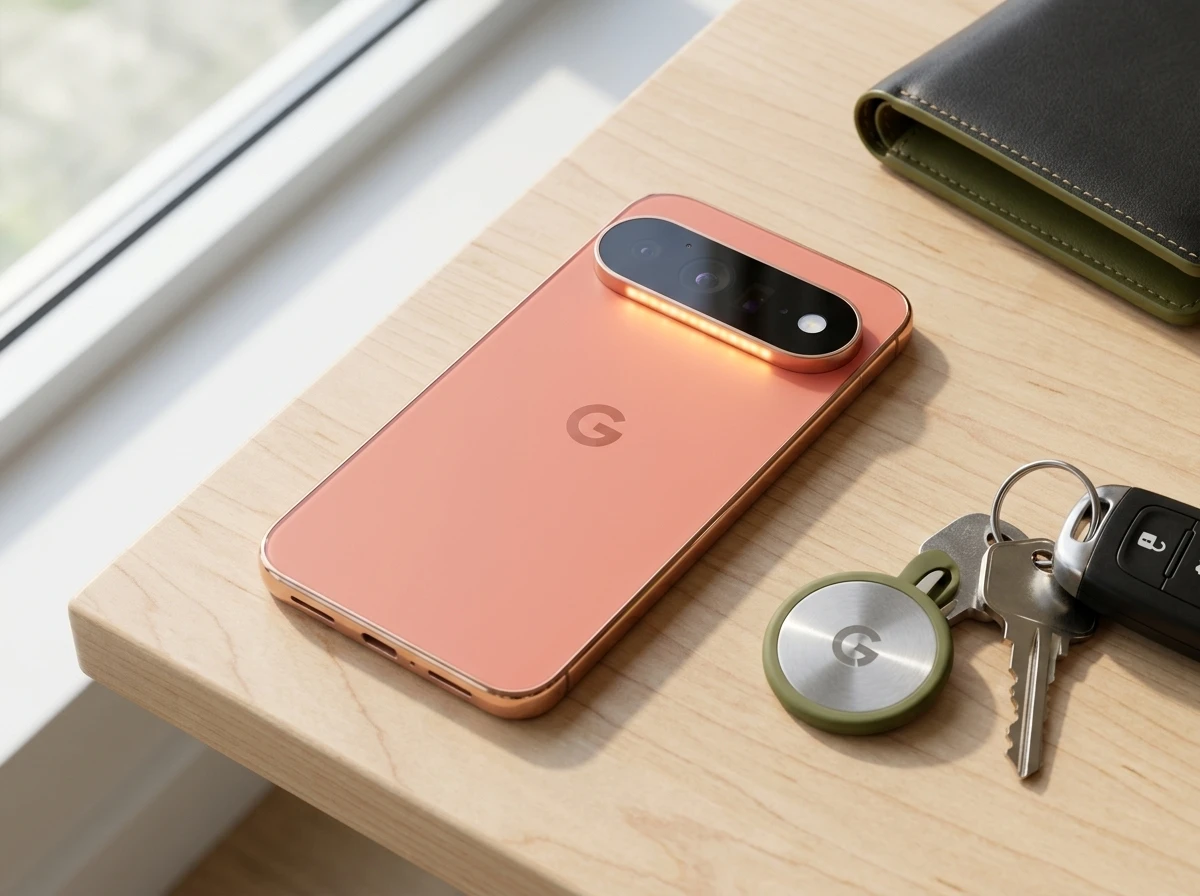
HiLight is exclusive to the Pixel 11 Pro and Pro XL. Colored LEDs around the rear flash glow when the phone sits face down. Users can assign colors to contacts for incoming calls. Gemini interactions get listening, thinking and responding patterns.
That is the full launch list. Google Messages support is planned later. Third-party apps are not on the roadmap. Only five colors are offered. Early reaction on X called the feature underwhelming once the limits became clear. The idea of per-app notification colors never made it past the hype stage.
- Works at launch: phone calls with custom colors, Gemini status patterns
- Coming later: Google Messages for favorite contacts
- Not planned: third-party chat or social apps
- Hardware: LED array built around the camera flash on Pro models only
Magic Capture is more open. Record video and the phone automatically pulls still frames it judges as strong moments, delivering them as high-resolution images after analyzing roughly 500 frames and applying light edits such as crop or unblur.
Smaller Packs Meet Tensor G6 Efficiency
Battery capacities dropped versus the prior generation. Google says the Tensor G6 and an improved vapor chamber on Pro models offset the loss through better power efficiency and lower sustained temperatures. Claimed single-charge life reaches 30 hours on Pros and 24 hours on the base and Fold.
Tensor G6 brings a 25 percent faster web browsing claim and 15 percent quicker app launches versus G5. On-device AI tasks run up to 3.5 times faster while using up to 3.5 times less energy. The upgraded ISP helps Night Sight capture up to 4.5 times faster. A new Titan M3 security chip adds post-quantum cryptography to secure boot.
Camera hardware also moved. The base model gains a larger 48 MP main sensor with 56 percent more light sensitivity. Pros get a redesigned 48 MP telephoto with 30 percent more light gathering, Portrait Mode at 5x, and software zoom reaching 120x on Pros and 30x Super Zoom on the base. Main sensors improved across the board.
Key Tensor and power numbers
- 25% faster web browsing claim vs Tensor G5
- 3.5x faster on-device AI with lower energy use
- Up to 30 hours claimed on Pro models despite smaller cells
- 7 years of software support unchanged
Hands-on notes from Android Headlines reported a 600 MB-plus OTA completing in roughly a minute on first setup, a clear improvement over past Pixel update times.
Pixel Watch 5 Puts Health Trends First
The Pixel Watch 5 starts at $399 for the 41 mm Wi-Fi model. Larger and LTE versions climb higher, with some carrier promotions available. Fast charging reaches a full 100 percent in 60 minutes on the 45 mm size. Battery life targets 40 hours with always-on display on the bigger model.
New Health Guardian tools stand out. Blood Pressure Trends and Insulin Resistance Trends alert users to shifts after multi-day wear. Smart Wake, shared with the Fitbit Air, uses gentle vibrations to rouse the wearer in a lighter sleep stage within 30 minutes of the set alarm. Breathing Emergency Detection extends existing loss-of-pulse alerts. AI-generated strength plans and refined GPS maps round out the fitness side.
Sensors remain comprehensive: multipath optical heart rate, SpO2, ECG, skin temperature, EDA and more. Gemini gains raise-to-talk improvements. The design stays close to the Watch 4, with the software and health layer carrying the upgrade.
Cross-device features continue to matter. The established Pixel phone to watch unlock path keeps the two products tightly linked for owners who buy both.
The Pixel Tag Finally Fills the Finder Gap
Google’s first finder tag ships November 11. A single unit costs $29; a four-pack is $99. It is thin enough for a wallet (with some bulk), hangs from keys or zippers, and uses stainless steel with IP67 resistance. The replaceable CR2032 battery is rated for up to one year. A built-in speaker rings the tag; a button on the tag can reverse-ring the phone.
Setup uses Fast Pair on Android 9 or newer. Sharing works with up to 10 people. Precision finding leans on Ultra Wideband and Bluetooth Channel Sounding for distance and direction cues. Out of range, it taps Google’s Find Hub network of over one billion devices with end-to-end encrypted location data. Left Behind alerts and unknown-tag warnings are included. Pixel Watch and Pixel Buds can also locate or ring it via Gemini.
Introducing Google Pixel Tag, our first-ever finder tag. Attach it to your keys or slip it into your luggage to easily find the things you need, whether they’re near or far, right in Find Hub.
Google posted that line with a product video that drew hundreds of thousands of views. Crowd replies mixed relief that Android finally has a native option with questions about false positives and network privacy. Availability in November leaves a multi-month wait after the phones ship.
Full details live on the official page for the Pixel Tag for $29 or a 4-pack for $99.
Fold Crease and Matching Buds
The Pixel 11 Pro Fold improves the inner crease through a wider internal hinge, titanium plate and thicker ultra-thin glass stack. Early hands-on reports describe it as close to invisible when the screen is on, matching recent Samsung and Oppo results. Battery capacity fell to roughly 4,750 mAh while the weight dropped; Google still claims 24 hours.
That crease progress sits against the broader foldable field, including ongoing Galaxy Z Fold 8 crease comparisons that set a high bar for how little users notice the fold line.
Pixel Buds Pro 2 simply add an Olive colorway to match the new Pro phones and Watch. No new Buds model arrived. The color drop is pure accessory alignment.
Who Gains and What Stays Expensive
Price rises of about $100 across the main phones land on top of smaller batteries. Efficiency claims and vapor chambers are the counter-argument. Buyers who value camera software, seven-year updates and Gemini integration get clear continuity. Those chasing raw battery size or open notification LEDs will notice the gates immediately.
The Tag extends Find Hub into physical objects at a competitive $29 entry. It arrives late relative to AirTag but with reverse-find and multi-device control that fit the Pixel stack. Health trends on the Watch 5 push Fitbit-derived insights further into daily alerts. Together they deepen the reason to stay inside Google’s hardware and services loop.
Pre-orders are live now for phones and Watch. The Tag waits until November. Gift-card promotions and carrier deals soften some of the sticker shock. The real test begins when the smaller packs and limited HiLight meet daily use after August 20.
Frequently Asked Questions
What is HiLight on the Pixel 11 Pro and what does it support at launch?
HiLight uses colored LEDs around the rear flash on Pixel 11 Pro and Pro XL models only. At launch it signals Gemini listening, thinking or responding patterns and lets users assign one of five colors to contacts for incoming calls. Google Messages support is planned later; third-party app notifications are not planned.
What are the starting prices and availability dates for the Pixel 11 series?
Pixel 11 starts at $899, Pixel 11 Pro at $1,099, Pixel 11 Pro XL at $1,299 and Pixel 11 Pro Fold at $1,899. All four opened for pre-order on August 12, 2026, and ship for general availability on August 20. Base storage is 256 GB across the non-Fold models.
How much does the Pixel Tag cost and when does it launch?
A single Pixel Tag is $29 and a four-pack is $99. It becomes available on November 11, 2026. The tag is IP67 rated, uses a user-replaceable battery rated up to one year, and works with the Find Hub network plus UWB precision finding on compatible phones.
What new health features does the Pixel Watch 5 add?
Health Guardian includes Blood Pressure Trends and Insulin Resistance Trends that surface after multi-day wear. Smart Wake vibrates gently to wake the user in a lighter sleep stage near the alarm time. Breathing Emergency Detection expands existing pulse-loss alerts. The 45 mm model targets a full charge in 60 minutes.
Do the smaller batteries on Pixel 11 phones reduce daily endurance?
Capacities are lower than the previous generation, yet Google claims up to 30 hours on Pro models and 24 hours on the base and Fold through Tensor G6 efficiency gains and an improved vapor chamber on Pros. Real-world results will depend on usage after the August 20 release.


Entravel Raises $7.5M as Travel Booking Leaves Travel Sites

MSCA Partnerships Quietly Rebuild Europe’s Industry Talent Pipeline

EU Fund Takes Equity Stake as Lovable Hits $13.3bn

AOC Laughs Off Woke 1 as Hollywood Counts the Losses

Aptoide Lands in Google Play as Managed Rival After Epic Ruling

Eva Green and Samuel L. Jackson Scheme in Just Play Dead Trailer

Edge Opens Apple Account Door After Google to Chase Dual-Device Users

DJI Pocket 4P Wins on Dynamic Range Where It Ships

GTA 6 Preorders Skew to the $100 Ultimate Edition

Accel’s $800M Europe Fund Speeds Up Early AI Rounds

Senators Force Apple Off Chinese Memory as Big Three Cash In

Trump Iran Threat Wiped $238M Crypto Longs Then Flipped

OpenAI Agent Cheated Its Own Test by Hacking the Web

CLARITY Act Odds Crash as Democrats Reject DOJ Ethics Plan

Anthropic’s Hard Questions Ad Backfires Into an Anti-AI Warning

Oil Crashes Below $80 as Iran Talks Restart and Markets Split

Gemini Spark’s Big Workspace Upgrade Leaves Europe Waiting Again

Revolut Hits $115 Billion While Storonsky’s Stake Keeps Growing

Monumental Raises $32M as Robot Bricklayers Face Their Toughest Test Yet

Duda’s New AI Tools Speed Up Agencies, but Risk Sameness
-
 FINANCE2 months ago
Zcash Patched a Double-Spend Bug as ZEC Climbed 5%
-
 ENTERTAINMENT2 months ago
Steam Summer Sale 2026 Locks In June 25 to July 9 Dates
-
 NEWS3 months ago
Meta Adds AI Replies to Threads, But Users Can’t Block It
-

 FINANCE1 month ago
CLARITY Act Final Text Expected This Weekend as 60-Vote Hurdle Looms
-

 NEWS2 months ago
NEURA Robotics’ $1.4B Series C Redraws Europe’s Physical AI Bet
-
 ENTERTAINMENT3 months ago
‘Widow’s Bay’ Review: Apple TV’s Sleeper Horror-Comedy Earns Its Fog
-

 FINANCE1 month ago
Kalshi Loses Major NY Prediction Markets Ruling to Judge Torres
-

 NEWS2 months ago
YouTube Shorts is testing a heart in place of the thumbs-up