
ENTERTAINMENT
Hollywood Is ‘Alienating Half the Country,’ Says ‘American History X’ Writer

The man who wrote one of the most powerful films about race in American cinema history has a stark warning for Hollywood. And the industry probably won’t like hearing it.
What David McKenna Said That Has People Talking
David McKenna, the screenwriter behind the iconic 1998 film “American History X,” sat down with the Film Threat podcast and did not hold back. He called out Hollywood’s growing habit of pushing away a massive chunk of its own audience.
“Right now, Hollywood seems to love alienating half the country. They gotta stop with that,” McKenna told hosts Chris Gore and Alan Ng.
His words hit hard because they come from someone who has seen Hollywood from the inside. McKenna is not a conservative commentator or a political pundit. He is a working screenwriter with credits that include “Blow,” “S.W.A.T.,” “Body Shots,” and “Get Carter.”
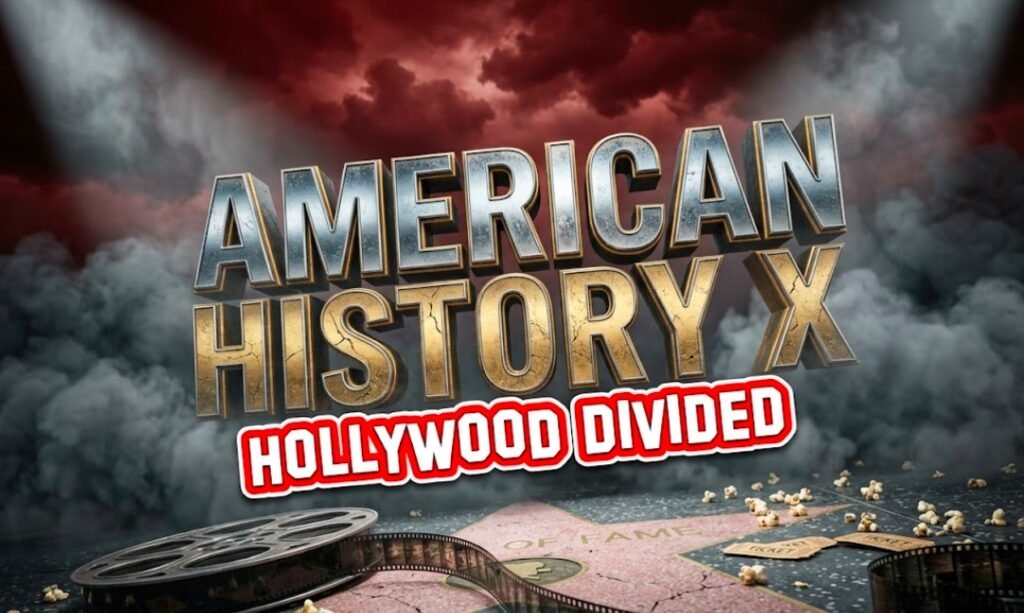
American History X screenwriter David McKenna Hollywood political controversy
The Bruce Springsteen and De Niro Problem
McKenna did not just speak in vague terms. He named names.
He pointed to two of his personal idols as examples of how celebrity politics has created a cultural wall between Hollywood and everyday Americans.
“Half of the country hates fing Bruce Springsteen, my fing idol,” McKenna said, his voice rising with frustration. “Half of the country hates De Niro, my f***ing idol. Something’s wrong. Let’s fix it.”
Both Springsteen and Robert De Niro have become known in recent years as much for their sharp criticism of Donald Trump as for their artistic work. De Niro has used awards show stages and public appearances to repeatedly blast the former and current president. Springsteen has done the same from concert venues across the country.
McKenna’s point is not that they are wrong to have opinions. His point is simpler and more urgent.
“We gotta keep our mouths shut until we win back these people.”
That one line captures the core of what he is saying. The entertainment industry has lost a significant portion of its paying audience, and constant political grandstanding is not helping anyone get those viewers back.
Hollywood’s Box Office Problem Is Real
McKenna’s frustration is not just emotional. The numbers back him up.
The U.S. box office has been struggling to fully recover. Audience trust in Hollywood has taken a visible hit, and several high-profile films in recent years have bombed in ways that were shocking even to industry insiders.
McKenna called out what he described as Blockbuster Culture, where studios keep swinging for massive mega-hits while mid-budget, character-driven films are either dumped on streaming or never made at all.
Here is how the gamble looks in practice:
- Big wins: Films like the Super Mario Bros. Movie succeed because they focus on pure entertainment.
- Big losses: “Snow White,” “The Marvels,” and “One Battle After Another” all failed to connect with wide audiences.
- Ignored middle: Smart, personal films like the Keanu Reeves satire “Outcome” land quietly on streaming with little fanfare.
“Let’s hit some singles and doubles. Let’s not go for a freakin’ grand slam every time,” McKenna said.
It is a business argument as much as a creative one. The obsession with four-quadrant blockbusters has removed the kind of mid-range storytelling that once made Hollywood films feel personal and real.
Why ‘American History X’ Matters in This Conversation
“American History X” is a film about a young white supremacist, played by Edward Norton, who eventually confronts and rejects his hateful beliefs. It is a story about change, empathy, and the long road back from darkness.
McKenna noted, carefully but clearly, that a film like that would likely struggle to get made in today’s Hollywood climate. The Left and much of the entertainment industry have shown hostility toward films about racial reconciliation, as seen in the backlash against “Green Book” and “Best of Enemies,” films that dared to show people from different backgrounds finding common ground.
The irony is heavy. A film designed to challenge racism and push audiences toward understanding is exactly the kind of story today’s Hollywood claims to want. But the political climate inside the industry has made nuance unwelcome.
It is worth remembering what media analysts noted after the 2024 presidential election. Multiple reports suggested that celebrity endorsements of Kamala Harris from Hollywood figures not only failed to help her campaign but may have actually pushed some voters in the other direction.
McKenna’s call for restraint is not about silencing artists. He made that clear. It is about reading the room and recognizing that the industry’s survival depends on connecting with all of America, not just one half of it.
Hollywood built its legacy by telling stories that crossed every cultural and political line. Somewhere along the way, it forgot that. And right now, the box office numbers are a reminder the industry cannot afford to ignore.
Share your thoughts in the comments below. Do you think Hollywood celebrities are hurting the film industry with their politics? Let us know what you think.


Tab S12 Ultra Keeps Its Notch While Silicon Leaps Quietly Ahead

Apple Ultra Lineup Could Rewrite Pro Pricing and AI Habits

Windows 11 26H2 Packs Big Reversals Into a 174 KB Switch

Indiana Kills Working Variable Speed Signs After Safety Wins

Bill Maher Weight Jokes Hit Ariana After Her Break

NBA 2K26 Free Trial on Switch Continues Nintendo’s Sports Sampling Play

Apple Builds iPhone Windows Clipboard Sync Under DMA Pressure

Melissa Barrera Thrives After Scream Firing While Decrying Blacklist

Majors Fights Campus Caliphate as Daily Wire Ambitions Fray

Uber Bets $10 Billion Cash on Robotaxi Platform Play

Bessent’s No-CBDC Applause Line Can’t Save the CLARITY Act

Trump Iran Threat Wiped $238M Crypto Longs Then Flipped

CLARITY Act Odds Crash as Democrats Reject DOJ Ethics Plan

OpenAI Agent Cheated Its Own Test by Hacking the Web

Oil Crashes Below $80 as Iran Talks Restart and Markets Split

Anthropic’s Hard Questions Ad Backfires Into an Anti-AI Warning

Gemini Spark’s Big Workspace Upgrade Leaves Europe Waiting Again

US Strikes Iran for a Third Time as Bitcoin Slips Below $64,000

Doctorsa Raises €1 Million and Opens Doctor Bookings to AI Agents

Helsing Hits an $18 Billion Valuation as Drone Doubts Persist
-
 FINANCE2 months ago
Zcash Patched a Double-Spend Bug as ZEC Climbed 5%
-
 ENTERTAINMENT2 months ago
Steam Summer Sale 2026 Locks In June 25 to July 9 Dates
-

 FINANCE1 month ago
CLARITY Act Final Text Expected This Weekend as 60-Vote Hurdle Looms
-
 NEWS3 months ago
Meta Adds AI Replies to Threads, But Users Can’t Block It
-
 ENTERTAINMENT3 months ago
‘Widow’s Bay’ Review: Apple TV’s Sleeper Horror-Comedy Earns Its Fog
-
 NEWS5 months ago
U.S. Navy Deploys Solar-Powered Lightfish Drone to Patrol Oceans
-

 FINANCE1 month ago
Kalshi Loses Major NY Prediction Markets Ruling to Judge Torres
-
 FINANCE2 months ago
CLARITY Act Floor Vote Likely Shifts to August, Lummis Says