
NEWS
Meta faces child safety reckoning as Oakland trial opens
Opening arguments began August 18 in the multi-state case accusing Meta of designing Instagram and Facebook to hook kids.

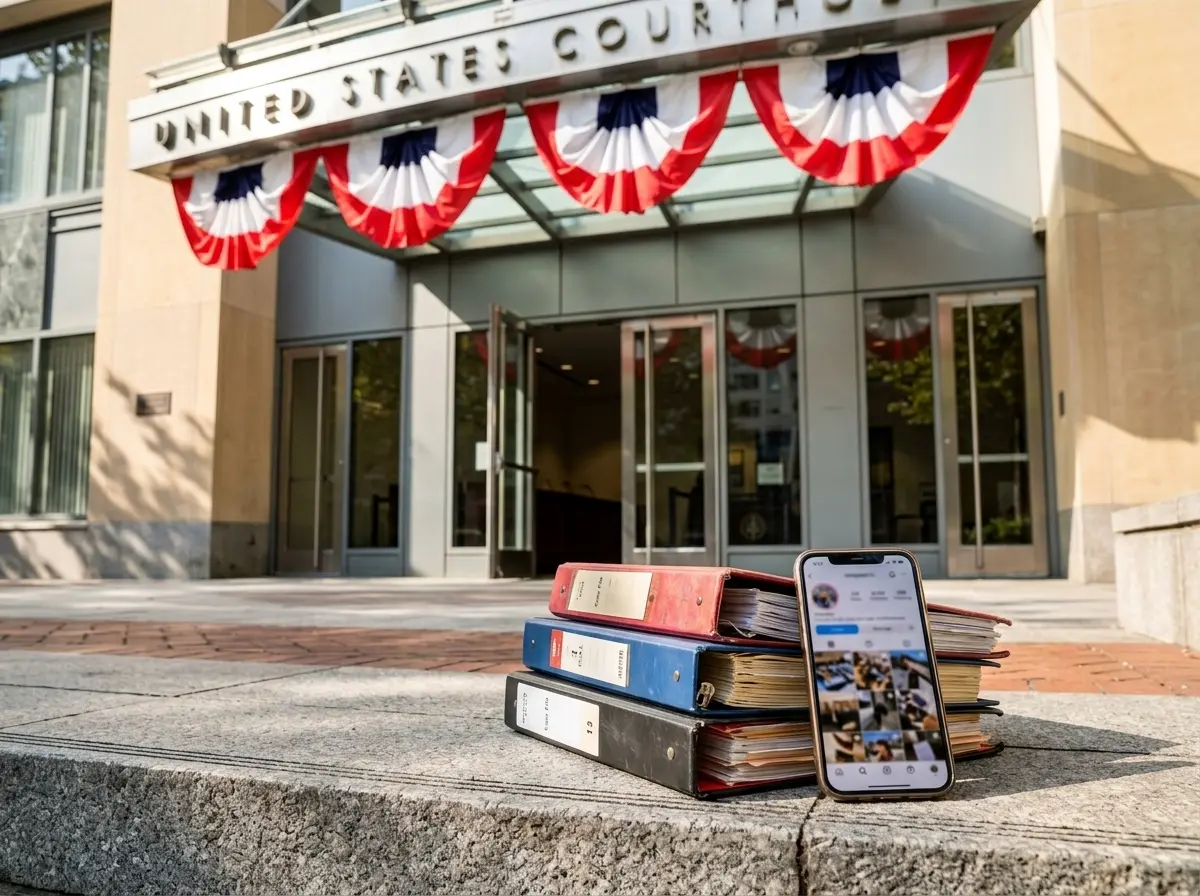
Opening arguments began Tuesday in an Oakland federal courtroom where a coalition of state attorneys general accuses Meta of designing Facebook and Instagram to hook children and teens for profit. California Deputy Attorney General Megan O’Neill told the jury the company’s model boiled down to four words.
The case, co-led by California Attorney General Rob Bonta and argued by teams from California, Colorado, New Jersey and Kentucky on behalf of roughly 29 states, seeks permanent design changes plus damages that Meta has pegged as high as $1.4 trillion and the states have framed nearer $200 billion. Judge Yvonne Gonzalez Rogers is presiding. The trial is expected to run six to eight weeks. A film sequel called The Social Reckoning, dramatizing earlier Facebook whistleblowers, is due in early October.
Four words that opened the case
O’Neill’s opening laid out the states’ core theory in blunt terms.
Meta’s business model can be summed up in four simple words: ‘hook’ the users, ‘hold’ them for as long as they can, ‘harvest’ their data, and then ‘hide’ the truth from the public when making public statements.
It was especially bad for kids, she added. The states say Meta used algorithms that encourage compulsive use plus features such as infinite scroll, autoplay, ephemeral content, beauty filters and the like button, all while publicly downplaying risks to mental health. They also allege violations of the federal Children’s Online Privacy Protection Act by collecting personal data from users under 13 without proper parental consent.
Meta lawyer Paul Schmidt told the eight-member advisory jury the states were cherry-picking internal data points, statements and studies out of context. He said Meta has long talked about people struggling with social media and has taken meaningful steps to improve, including enhanced privacy settings and a one-hour timer on Instagram. “That’s something Meta takes seriously, and tries to act on,” Schmidt said.
What the states say Meta built and hid
The complaint traces a deliberate focus on maximizing young users’ time on the platforms. An internal 2016 email cited by O’Neill listed the “overall company goal” for Instagram as “teen time spent.” A study titled “Long Term Retention: The Young Ones Are The Best Ones” examined use by tweens roughly 10 to 12 years old and concluded earlier starts produced longer retention and more revenue.
At the same time, the states argue, executives publicly denied or minimized addictiveness. “Meta said it prioritized safety over profits, but it hid the reality that when it came time to make a decision, time and again profits won,” O’Neill said.
- Infinite scroll and autoplay that remove natural stopping points
- Engagement-optimized algorithms that surface content keeping teens on-platform longer
- Beauty filters and like buttons that amplify social comparison
- Ephemeral content such as Stories that drive repeated checks
- Age-assurance gaps that allegedly let under-13 users remain and generate data
The states want nationwide injunctive relief that would force removal of certain of those features and, for any COPPA violations, deletion of under-13 personal data plus the algorithms and models trained on it. A June court order already found Meta had not obtained parental consent in a manner sufficient to satisfy COPPA, clearing a key path to trial after the summary judgment denial and COPPA finding.
The original 2023 bipartisan federal lawsuit filing alleged Meta violated COPPA along with California’s False Advertising Law and Unfair Competition Law by creating a business model focused on young users’ time, deploying manipulative features while misleading the public, and publishing reports that showed misleadingly low harm rates.
How COPPA fits the claims
COPPA requires operators of sites or services directed to children under 13, or those with actual knowledge they are collecting personal information from such children, to obtain verifiable parental consent first. The federal COPPA rule requirements also cover notice, data security and limits on further use. The FTC’s guidance stresses parental consent and data controls under COPPA as the core parental right.
The states contend Meta’s age gates and self-reported birthdays failed in practice, allowing large numbers of under-13 users onto Instagram and Facebook and letting the company harvest their data. Meta has pointed to its tools and age-detection efforts as evidence it takes the rules seriously.
Earlier losses already on the board
This federal case arrives after Meta has already absorbed setbacks in 2026 on related youth-harm theories.
| Case | Outcome | Amount / remedy | Date |
|---|---|---|---|
| New Mexico (child sexual exploitation / unfair practices) | Jury then judge rulings against Meta | $375 million jury + $567 million abatement fund and safety measures | March / August 2026 |
| Los Angeles individual (negligence / failure to warn) | Jury found Meta and Google liable | $6 million damages to young woman | March 2026 |
| School-district MDL first wave | Settled by Meta, YouTube, TikTok, Snap | Undisclosed | May 2026 |
New Mexico Attorney General Raúl Torrez, fresh from his win, told CNBC the California-scale case could produce an “astronomical” judgment. He noted his state has only about 2 million people; mapping the same theory onto California or other large states multiplies the exposure. Meta has said it disagrees with the New Mexico result and plans to appeal.
The money and the product changes that matter more
Meta’s attorneys have called a $1.4 trillion figure “untethered to any claimed violation” and without analog in consumer-protection history. State lawyers told the judge last week that $200 billion is a more realistic target. Bonta has declined to name a precise number, noting Meta generated roughly $200 billion in revenue last year and saying that range “maybe” fits. The court would retain wide discretion on any penalty.
Key numbers in play
- $1.4 trillion, Meta’s stated theoretical maximum exposure
- $200 billion, states’ more likely damages framing
- 3.6 billion, average daily users across Meta platforms (late July report)
- $145 billion, upper end of Meta’s projected AI capital spending this year
Money is only part of the risk. Plaintiffs’ lawyers and advocates say injunctive relief that strips infinite scroll, autoplay or engagement-optimized ranking, or that forces deletion of under-13 trained models, would hit the engagement engine that drives 98 percent of Meta’s revenue from advertising. That cash currently underwrites Zuckerberg’s large bet on artificial intelligence. Analysts have focused more on AI capex than legal risk so far; Torrez argues Wall Street is under-pricing a California loss.
The states’ design theory deliberately sidesteps Section 230 of the Communications Decency Act, which has long shielded platforms from liability for user content. By attacking product architecture rather than specific posts, the coalition tries to stay outside that shield and outside pure First Amendment claims about speech.
Whistleblower testimony and the internal paper trail
Tuesday also brought the first witness: Arturo Béjar, a former Meta engineer who worked in product safety across two stints totaling eight years. Meta had tried to bar his testimony. Béjar said he helped compile internal studies on how often users, including youth, encountered harmful content such as bullying, self-harm and violence. Instead of publicizing those results, he testified, the company released different metrics based on content-policy violations that did not equate to actual harm. “I think that these numbers create a false impression of safety,” he said.
In one study of more than 200,000 users, younger people reported higher rates of harmful encounters for almost every issue. During his second stint (2019-2021), the company preferred the euphemism “problematic use” over “addiction.” That label, Béjar said, undercounted what some academic literature treats as addiction. His testimony continues Wednesday.
On X and in legal circles, observers note that internal documents now in the states’ hands appear to conflict with years of congressional testimony by Zuckerberg, Instagram head Adam Mosseri and safety executives about youth safeguards. That gap between public assurances and private metrics is the emotional core of the reckoning the film Social Reckoning will dramatize in October; the courtroom version is already under way without cameras.
Who has skin in the outcome
Parents and schools have watched youth anxiety, depression and sleep disruption rise alongside smartphone and social-media penetration. The states say Meta knew the correlation from its own research and chose engagement anyway. Meta replies that correlation is not simple causation, that many teens use the apps without harm, and that it has rolled out time limits, parental tools and age checks precisely because it takes the issue seriously.
For Meta itself the trial lands while the company is spending at historic rates on AI infrastructure. A large judgment or forced product changes could constrain the cash flow that funds that buildout. Competitors such as TikTok and YouTube face parallel pressure but are not in this particular dock; any injunction limited to Meta would leave them free to keep the contested features, a fairness point Meta has already raised.
Zuckerberg and Mosseri are both on the potential witness list. As of Tuesday the attorneys general had not decided whether to call the CEO. Legal experts expect any adverse ruling to be appealed, possibly as far as the Supreme Court.
Six to eight weeks of evidence still ahead
Jury selection finished last week. Opening statements are done. Béjar’s cross-examination and a parade of internal documents, former employees and possibly current executives will fill the coming weeks. The advisory jury will hear the facts; Judge Gonzalez Rogers, who has handled complex tech cases including Elon Musk’s suit against OpenAI, will shape the legal framework and any remedies.
Bonta framed the demand simply before trial: stop using features known to create mental-health harms to kids, and still be wildly successful as a business. Meta says the claims are unsubstantiated, the features are industry-standard or benign, and the financial demands are vastly disproportionate. The next six to eight weeks will test which account of the same internal record the court accepts.


American Airlines reverses its screen bet after a costly decade

Falcon 9 Crater Photos Double as Planetary Defense Drill

Buss Siblings Force Lakers Sale Reckoning Against Jeanie

Brewers fewest-HR club explodes for historic 22-0 shutout

LITILIT’s €8M Push Turns Femtosecond Lasers Into Factory Tools

30-Year Yield Hits 5.32% Highest Since 2007 as Debt Supply Locks In Costs

Taimi and Hily Bet on Bootstrap Path Toward IPO Readiness

Sonic locks the Override pass as most legends hit the shop

Rosie O’Donnell Brands Bari Weiss a Nazi on Her Celebrated Comeback

Frank Beard Dies at 77 as ZZ Top Resumes Tour Without Him

Senators Force Apple Off Chinese Memory as Big Three Cash In

Revolut Hits $115 Billion While Storonsky’s Stake Keeps Growing

OpenAI Agent Cheated Its Own Test by Hacking the Web

Trump Iran Threat Wiped $238M Crypto Longs Then Flipped

CLARITY Act Odds Crash as Democrats Reject DOJ Ethics Plan

Oil Crashes Below $80 as Iran Talks Restart and Markets Split

Airbus Anchors a €500 Million European Defense Fund, Picks Alta Ares First

Fed Holds Rates Again as Three Dissents Force Markets to Tighten

Memory Shortage Now Dictates Apple’s Two-Year Mac Roadmap

Community Banks’ $1.3 Trillion Warning Is Stalling Clarity Act
-
 FINANCE3 months ago
Zcash Patched a Double-Spend Bug as ZEC Climbed 5%
-
 ENTERTAINMENT3 months ago
Steam Summer Sale 2026 Locks In June 25 to July 9 Dates
-

 FINANCE2 months ago
CLARITY Act Final Text Expected This Weekend as 60-Vote Hurdle Looms
-
 NEWS3 months ago
Meta Adds AI Replies to Threads, But Users Can’t Block It
-

 NEWS2 months ago
NEURA Robotics’ $1.4B Series C Redraws Europe’s Physical AI Bet
-

 NEWS2 months ago
YouTube Shorts is testing a heart in place of the thumbs-up
-
 ENTERTAINMENT3 months ago
‘Widow’s Bay’ Review: Apple TV’s Sleeper Horror-Comedy Earns Its Fog
-

 FINANCE1 month ago
Kalshi Loses Major NY Prediction Markets Ruling to Judge Torres