
NEWS
Android 17 Beta 3 Fixes Loud AI Assistant Volume Issue

Have you ever jumped out of your seat when Google Gemini screamed an answer at full blast? You are not alone. Millions of smartphone users have faced this exact headache. The new Android 17 Beta 3 update finally solves this annoying problem. Google is introducing a dedicated volume slider strictly for virtual helpers, keeping your media and AI audio completely separate.
The Growing Frustration With Smart Helper Audio
For years, Android tied the voice of your virtual assistant directly to your phone media volume. This created a massive daily struggle for users around the globe. If you turned up your music to enjoy a favorite song, your AI helper also became extremely loud.
Users flooded Google Support forums recently to complain about Gemini screaming at full volume. People tried everything from restarting their phones to clearing app data. Nothing worked because the operating system lacked a separate audio channel.
“My phone was brand new out of the box and I could not control the AI volume at all,” shared one frustrated user on a community board.
This poor design choice often startled people in quiet environments like libraries or offices. It was especially painful for those wearing headphones. Users simply wanted to watch a video at high volume without fearing a deafening response from their digital assistant.
The problem grew worse when Gemini started replacing the classic Google Assistant on most modern devices. People demanded a fix that would give them back their audio peace of mind.
[CALL OUT BOX: Google Support forums saw a massive surge of complaints in early 2025 and 2026. Users were completely unable to mute or lower the sudden loud voice of Gemini.]
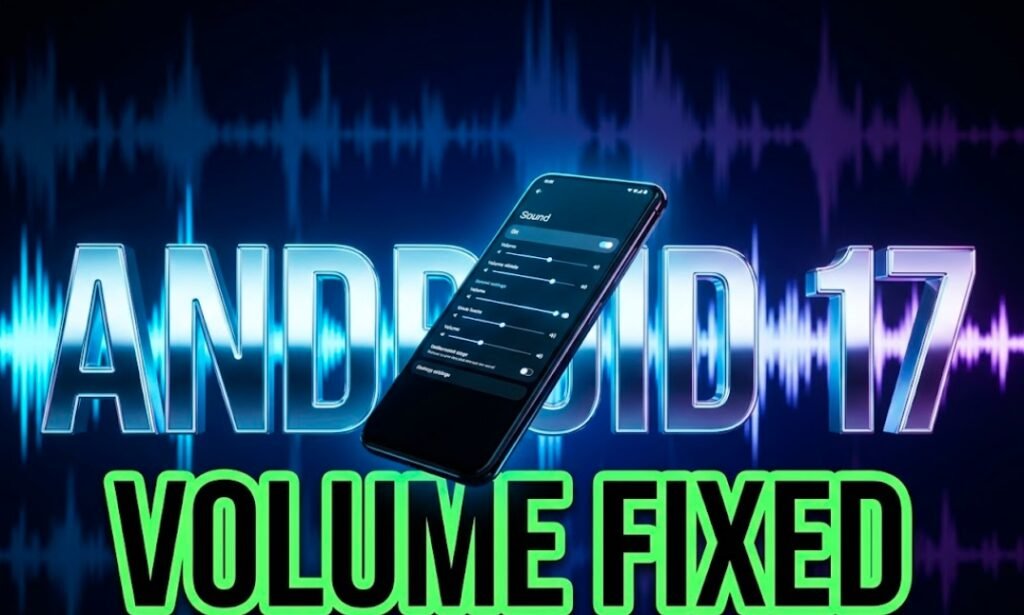
dedicated volume control slider for AI assistants in android 17
How The Dedicated Sound Slider Works
Google listened to the community feedback and completely overhauled the sound menu. Android 17 Beta 3 introduces an independent audio stream specifically for digital voice assistants. This means you can finally tame Gemini, Bixby, or any other virtual aide.
When you press the volume button, a new slider appears at the very bottom of the sound control sheet. You can set a comfortable, quiet level for spoken answers and leave it there permanently.
Your AI assistant will stay at that exact volume forever. You can crank up your favorite action movie or blast a new music album later in the day. The digital helper will no longer match that massive sound spike.
- Media Volume: Controls your music, videos, and mobile games.
- Call Volume: Adjusts the voice of the person talking on the phone.
- Ring Volume: Manages incoming phone call alert sounds.
- Alarm Volume: Controls your morning wake up sounds.
- Assistant Volume: The brand new slider exclusively for AI voices.
This small adjustment makes using voice commands much more predictable. It completely removes the shock factor from interacting with smart technology.
You will notice the biggest benefit when wearing earbuds. Your AI assistant will speak softly into your ears while your music continues playing at your preferred level.
Fresh Upgrades Beyond The Sound Menu
While the separate assistant volume is a massive crowd pleaser, the update packs several other brilliant tools. Android 17 officially reached the platform stability stage on March 26, 2026. This means the core programming is locked in place and ready for final testing.
Google decided to split the internet toggle in the quick settings panel. Users will now see separate buttons for WiFi and Mobile Data. This fixes another huge complaint that dates back several software generations.
The software also brings exciting camera upgrades for photography lovers. Professional camera apps can now capture 14 bit RAW images. This allows compatible phone sensors to absorb maximum detail and rich colors for perfect editing.
Android 17 Beta 3 Top Features:
- Hidden App Labels: You can finally remove text names from beneath app icons on your home screen for a cleaner look.
- Universal App Bubbles: Any application can now float on your screen like a chat head for faster multitasking.
- Expanded Dark Theme: You get the power to force dark mode on specific apps that do not normally support it natively.
- Hearing Aid Routing: Users gain granular audio routing options specifically designed for Bluetooth hearing aids.
- Better Call Audio: A new HE AAC software encoder supports better audio quality during phone calls in low bandwidth areas.
Here is a quick look at how the timeline is shaping up for this major software upgrade:
| Software Phase | Release Timeline | Main Focus |
|---|---|---|
| Beta 1 | February 2026 | Initial system layout changes |
| Beta 2 | Late February 2026 | Minor bug fixes and visual testing |
| Beta 3 | March 26, 2026 | Platform stability officially locked |
| Final Release | June 2026 | Public stable rollout for everyone |
Release Timeline And Testing Requirements
Google is currently offering these fresh tools strictly to people enrolled in the beta testing program. The update is available for Pixel 6 devices and newer models. This includes the popular Pixel Tablet and folding phones.
If you are already in the testing program, the update will arrive automatically over the air. Those who want to wait for a completely stable experience should hold off until the finished operating system rolls out to everyone this June.
Developers are already using this final code to update their applications on the Google Play Store. Hardware partners are also diving into the new code right now.
Samsung Galaxy owners can expect these features to arrive later this year. Device makers like Samsung use this stable platform to build their own custom software, such as the highly anticipated One UI 9.0 update.
The addition of an independent AI volume slider proves that Google is paying close attention to everyday user struggles. Nobody wants to be scared by their own phone while trying to ask a simple question. This update makes interacting with virtual helpers a peaceful and enjoyable experience once again. What are your thoughts on this new sound feature? Are you excited to finally control your smart assistant audio? Share your opinions online using the trending hashtag #Android17 and let your friends know about this upcoming fix.


Boldr’s $5M Bet Puts HVAC Contractors at Grid Center

NEON Bets Big on Lily James Cliffhanger for February 2027

Gemini Locks Apex Pipes for Crypto Event Contracts

Sony Email Restates Old License Rules Amid Disc Backlash

TidalSense Breaks Spirometry’s Grip With a 75-Second COPD Test

Asus Zenbook Duo 2026 Makes Dual Screens a Daily Driver

SoftBank’s €172M Robot Bet Tops Europe’s €684M Funding Week

NEURA Gives Cleaning Robots a New Brain With ADLATUS Deal

Lotus Emira V6 Manual Delivers Pure Thrills Before Hybrid Shift

Pimax Dream Air Cracks the Bulk Barrier for High-End PCVR

Senators Force Apple Off Chinese Memory as Big Three Cash In

OpenAI Agent Cheated Its Own Test by Hacking the Web

Trump Iran Threat Wiped $238M Crypto Longs Then Flipped

Fed Holds Rates Again as Three Dissents Force Markets to Tighten

30-Year Yield Hits 5.32% Highest Since 2007 as Debt Supply Locks In Costs

Oil Crashes Below $80 as Iran Talks Restart and Markets Split

Google’s Knowledge Panel Fix Risks Its Own Search Defenses

Legora Buys Wexler Fact Engine as Fifth 2026 Deal

Capital Clusters and the Dual Tracks of European Tech Finance

Agon Raises $30M to Build Europe’s AI Weapon Training Arenas
-
 FINANCE3 months ago
Zcash Patched a Double-Spend Bug as ZEC Climbed 5%
-
 ENTERTAINMENT3 months ago
Steam Summer Sale 2026 Locks In June 25 to July 9 Dates
-

 FINANCE2 months ago
CLARITY Act Final Text Expected This Weekend as 60-Vote Hurdle Looms
-
 NEWS3 months ago
Meta Adds AI Replies to Threads, But Users Can’t Block It
-

 NEWS3 months ago
YouTube Shorts is testing a heart in place of the thumbs-up
-
 NEWS4 weeks ago
Senators Force Apple Off Chinese Memory as Big Three Cash In
-

 NEWS3 months ago
NEURA Robotics’ $1.4B Series C Redraws Europe’s Physical AI Bet
-
 ENTERTAINMENT5 months ago
Extraction 3 Is Officially Coming to Netflix in 2027