
FINANCE
XRP Flashes 2 Bullish Signals as CLARITY Act Eyes a July 20 Vote
Ali Martinez flagged a Tom DeMark buy signal and Morning Star Doji on the XRP daily chart. Galaxy cuts CLARITY Act passage odds to 50% as the Senate vote window narrows to the week of July 20.

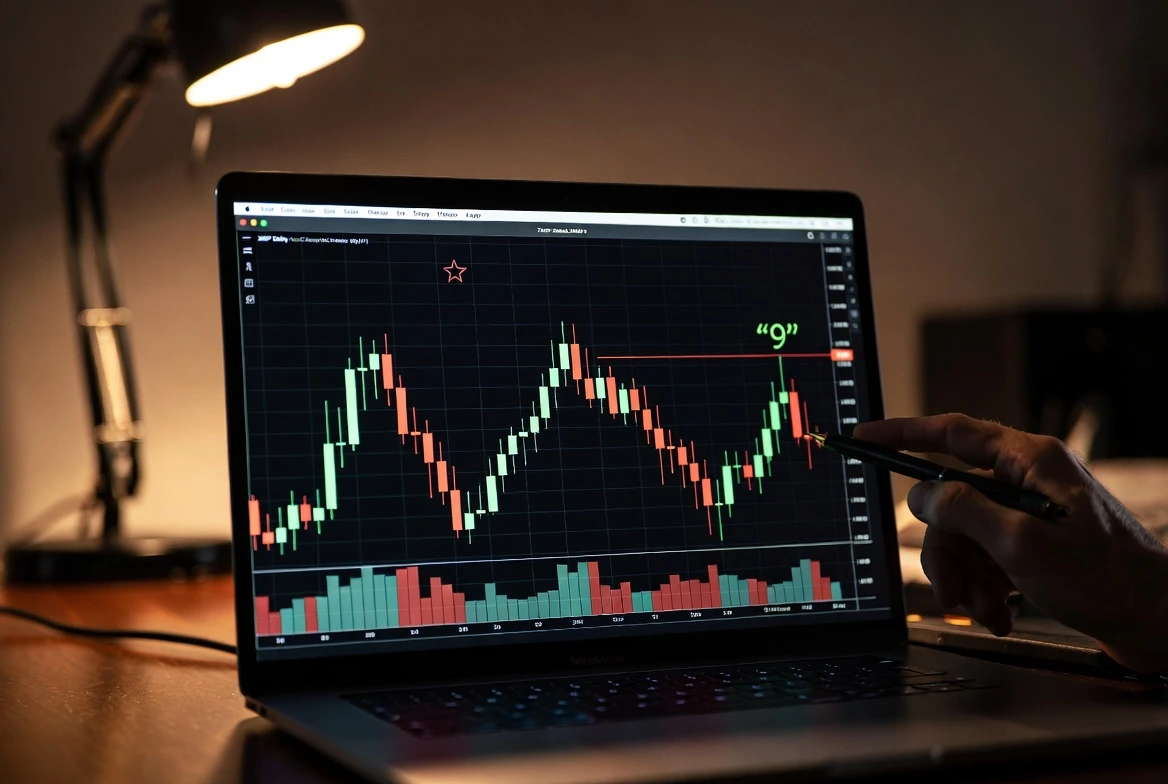
Crypto analyst Ali Martinez flagged two bullish reversal signals on XRP’s daily chart on Saturday, pointing to a Tom DeMark Sequential indicator flashing a “9” candle and a Morning Star Doji pattern forming across the past three trading sessions. The technical setup landed the same weekend the crypto industry’s key market structure bill was staring at a narrow July floor window in Washington. Galaxy Digital has since cut its 2026 passage odds for that bill to 50%, down from 60% in early June, per Eleanor Terrett’s reporting.
More than 200 crypto firms, including Coinbase and Ripple Labs, are pressing the Senate to use scarce floor time before the August recess begins. Traders looking for confirmation of an XRP bounce found Martinez’s Saturday post after it had circulated to roughly 29,500 views and 252 likes. He writes on X under the @alicharts handle, the same platform where the chart screenshots he posted have been re-shared inside trading groups all weekend, with the bill’s floor window narrowing in parallel.
Two Bullish Reversal Signals on the Daily Chart
Martinez’s Saturday post on X names two bullish reversal signals on the daily chart, “pointing to a potential shift in momentum.” The first is the Tom DeMark Sequential indicator, which he said has “printed a buy signal via a ‘9’ candlestick.” That pattern, he wrote, “historically anticipates a one-to-four daily candlestick relief rebound.”
He pointed to the prior three daily sessions, where price action also formed a Morning Star Doji candlestick pattern. The classic three-candle reversal setup is, as Martinez notes, “a traditional indicator used to identify localized price bottoms.” Together the two signals are meant to flag, in his reading, that the recent slide may be losing steam. Confirmation, Martinez warned, still depends on buyers showing up, and he stressed throughout his post that the signals only resolve when volume picks up at current levels.
A relief rebound is what a Tom DeMark Sequential “9” candle is meant to mark, not an automatic buy. The Morning Star Doji formation is a textbook late-stage reversal shape, and those patterns also fail when the broader trend does not cooperate. For Martinez’s call to deliver, XRP needs buyers willing to defend the lows that formed the doji’s middle candle. Absent that volume, the indicators stay unredeemed, and the chart reverts to the trend that preceded them. His Saturday post carried two chart screenshots, and the “one-to-four daily candlestick relief rebound” framing echoes how the same indicator resolved on prior XRP bases.
If buying volume accelerates here, $XRP could rise toward $1.30.
The quote is from the two bullish XRP reversal signals Ali Martinez flagged in his June 27 X post. Martinez writes on X as @alicharts, and the post reached roughly 29,500 views and 252 likes within 48 hours of publication.
Why a Move Toward $1.30 Still Requires Volume
The $1.30 figure is conditional, and Martinez framed it that way from the start. A Tom DeMark Sequential “9” candle is a momentum-exhaustion signal, not an automatic buy. Its prior instances, Martinez wrote, “historically anticipate a one-to-four daily candlestick relief rebound,” which means the bullish read is a window, not a destination. Buyers need to confirm the candle before the chart earns its name as a reversal.
The same caveat applies to the Morning Star Doji pattern that sits in XRP’s prior three daily sessions. Doji reversals are late-stage shapes, and they fail when volume quietly evaporates instead of confirming. If the trading tape through the next one-to-four daily sessions fails to lift XRP off the doji’s middle candle, the signals sit unredeemed. Martinez’s setup only resolves on the buyer side, and without that volume, the technical picture stays in the same regime as the prior slide that preceded the patterns.
CLARITY Act Faces Its Tightest Senate Window
The technical picture was set against a hard political clock. The CLARITY Act, the most comprehensive digital-asset market-structure bill Congress has advanced, sits on the Senate Legislative Calendar as Calendar No. 423 after clearing the Senate Banking Committee 15-9 on May 14, with House passage at 294-134 in 2025. Four procedural steps remain: full Senate floor debate, a 60-vote passage threshold, House-Senate reconciliation, and a presidential signature.
Per Eleanor Terrett’s reporting, the realistic earliest window for a Senate vote is “the week of July 20th onwards.” Lawmakers return from the July 4 recess on July 13, and the annual defense authorization bill is then expected to take priority on the floor. Senate Republicans are pushing to schedule the CLARITY Act before the August recess, which begins at the end of July. If they cannot land a vote in that window, the path into the fall thins quickly, and floor time empties as the midterms begin.
Senate Majority Leader John Thune has acknowledged that “time is running out to solve some of these outstanding issues.” The unsettled provisions include ethics rules around officials’ crypto holdings, language on conflicts of interest at exchanges, and Section 604’s developer-protections fight. Galaxy Digital’s June 5 research note on the CLARITY Act spells out how the calendar lines up.
Here is the procedural sequence the bill has to land by August recess for the statute to take effect in 2026. House passage and Senate Banking Committee approval are already complete steps, and the rest hinge on floor scheduling. Each remaining step eats days the chamber does not obviously have. Galaxy’s note puts the runway at “a handful of usable weeks,” with floor time on the Senate calendar stretching from now until late July. Anything later than that, Galaxy concluded, and “the procedural steps do not fit before the recess.”
| Step | Status | Date |
|---|---|---|
| House passage | Complete (294-134) | 2025 |
| Senate Banking Committee | Complete (15-9) | May 14, 2026 |
| Senate Legislative Calendar | Placed (Calendar No. 423) | June 1, 2026 |
| Senate floor debate and vote | Target window | Week of July 20, 2026 |
| House-Senate reconciliation | Pending | After floor passage |
| Presidential signature | Pending | After reconciliation |
| August recess begins | Deadline | End of July 2026 |
Galaxy Cuts 2026 Passage Odds to 50%
Galaxy Digital’s head of firmwide research, Alex Thorn, first cut his 2026 CLARITY Act passage estimate from 75% to 60% on June 5. He blamed a Senate calendar already eaten into by FISA surveillance reauthorization and other must-pass items. The procedural vote to reauthorize Section 702 of the Foreign Intelligence Surveillance Act failed 47-52 that same morning, eating the floor week that might otherwise have carried market-structure work. The Senate also lost a week in late May to an anti-weaponization fund debate, and floor time before the August recess has contracted sharply as a result. The June 5 cut was Thorn’s second downward revision in six weeks.
Per Eleanor Terrett’s reporting on the firm’s latest update, Galaxy Digital has since lowered its estimate further, to 50%, as reflected in Galaxy Digital’s separate cut to 50% passage odds. The shift tracked the same calendar pressures Thorn flagged in early June, with floor time evaporating, ethics provisions unresolved, and no committed Senate schedule. Other desks have moved in the same direction. JPMorgan analysts have said they see less than a 50% chance the bill passes this year, and Bitwise investment chief Matt Hougan, citing “D.C. insiders” he spoke with, put the passage range between 5% and 30%.
Prediction markets that priced passage near 75% in May now hover between 45% and 59%, depending on the platform and the day. The spread captures how quickly the calendar is moving. Senators have roughly 31 session days before the August recess, by one count, and no floor date has been scheduled. Coinbase, Ripple, Andreessen Horowitz, and more than 200 other firms signed a letter to Thune and Schumer urging a floor vote. The lobbying burst and the odds decline are happening in the same calendar week.
- 50% – Galaxy Digital’s current 2026 CLARITY Act passage estimate, down from 60% in early June.
- 15-9 – Senate Banking Committee vote to advance the bill on May 14, 2026.
- 47-52 – June 5 procedural vote that killed FISA Section 702 reauthorization and consumed a week of usable floor time.
- 5%-30% – passage range cited by Bitwise’s Matt Hougan from “D.C. insiders.”
- 200+ – crypto firms and lobbying groups that signed the floor-vote letter to Thune and Schumer.
Why Ethics and Illicit Finance Are the Holdup
Floor passage requires 60 votes. With Republicans Josh Hawley and Rand Paul expected to vote no, leadership needs at least nine Democratic crossovers. Two Democrats already crossed over in committee, Senators Ruben Gallego and Angela Alsobrooks, and they each set explicit conditions. Gallego named ethics provisions as a precondition for his vote.
Alsobrooks said she will not support a floor vote unless a provision covering government officials’ crypto holdings is added first. The ethics fight turns on provisions restraining officials, the President’s family most of all, from crypto conflicts of interest, after the family generated an estimated $2.3 billion from crypto ventures. Terrett reported that key Democratic votes are expected to hinge on whether the bill includes an ethics framework they view as strong enough to address those holdings.
A second fight, on Section 604, centers on developer protections that law enforcement groups want narrowed and the crypto industry wants preserved. Senators Mark Warner and Catherine Cortez Masto have tied their votes to law enforcement’s sign-off on the final language. The Tillis-Alsobrooks deal already settled a separate stablecoin dispute, proof the fights are winnable, but the two remaining ones are live. The lobbying push from Coinbase, Ripple Labs, and 200-plus peers is meant to compress those fights into a single July week, and is documented in the 200-firm letter urging a Senate floor vote.
Sticking points, as Terrett summarized the live negotiations:
- Ethics framework covering officials’ crypto holdings, led by Alsobrooks
- State preemption rules across exchanges
- Language on conflicts of interest at exchanges and on broker-dealer custody
- Section 604 developer-protection carve-outs and law enforcement sign-off
How the Calendar Runs From Here
The next three weeks settle most of it. Lawmakers return from recess on July 13, and the defense authorization bill is expected to take first claim on the floor. If enough progress lands in the ethics and Section 604 negotiations during the recess and no other priority jumps in front, a CLARITY Act floor vote could be underway the week of July 20 onwards, per Eleanor Terrett, which is the earliest realistic window.
After late July, the August recess starts, and Senator Cynthia Lummis has warned that missing the pre-recess window risks pushing the bill into the political uncertainty of the midterm season. Galaxy’s Thorn pointed to the same constraint, noting that the realistic post-recess path runs through September. Senator Lummis has named 2030 as the practical horizon for a full restart if the current Congress does not finish the work, because a fresh Congress would re-introduce and re-mark the bill from scratch.
Frequently Asked Questions
What are the two bullish signals on XRP’s daily chart?
Ali Martinez, writing on X under @alicharts, named two signals on June 27: a Tom DeMark Sequential indicator flashing a buy via a “9” candlestick, and a Morning Star Doji pattern that formed across the three most recent daily sessions. He framed both as reversal indicators pointing to a potential shift in momentum, and explicitly noted that confirmation requires buyers showing up.
How accurate has the Tom DeMark Sequential “9” signal been historically?
Martinez called the “9” candle a pattern that “historically anticipates a one-to-four daily candlestick relief rebound.” A relief rebound is a short-covering move, not a confirmed new bull market. His $1.30 upside target stayed conditional on buyers stepping up at current levels, and was tied to a specific volume trigger rather than to the chart pattern alone.
Why does the CLARITY Act matter for XRP specifically?
The bill would make permanent, in statute, the digital-commodity classification XRP received from the SEC and CFTC by interpretation in March 2026. Today that classification sits in agency guidance, which a future administration can revise at any time. Statutory permanence is what large institutional allocators say they are waiting on, and it is the spine of Standard Chartered’s conditional $8 XRP target tied to passage plus sustained ETF inflows.
When is the Senate expected to vote on the CLARITY Act?
Per Eleanor Terrett’s tracking of the negotiations, the realistic earliest vote target is the week of July 20. Lawmakers return July 13 from the July 4 recess, which gives one working week to land a deal on ethics provisions, conflicts of interest language, and Section 604, all while competing with the annual defense authorization bill for floor time. Floor passage requires 60 votes under regular order.
What happens if the bill misses the August recess?
If the bill slips past recess, it does not automatically die, but its prospects worsen. Senators in a midterm year campaign more than legislate, and floor time dries up. Senator Lummis has warned that the next viable legislative opportunity if the bill fails in this Congress is 2030, because a new Congress would re-introduce, re-mark, and re-negotiate the entire package from scratch.
Disclaimer: This article covers technical analysis and pending market-structure legislation and is for informational purposes only. Crypto assets carry substantial risk, and figures and odds are accurate as of publication and may change. Consult a qualified financial professional before making investment decisions.


Pixel Journal Auto Format Puts Google Private AI to the Diary Test

Android 17 QPR2 Beta 3 Quietly Delivers Native App Lock

Binance Cuts HTX Rails and Seals Off High-Risk Liquidity

Dell 14S Quietly Delivers Multi-Day Battery in Midrange Aluminum

OCC Conditionally Clears Trump-Linked USD1 Trust Bank

Coyote vs. Acme Turns Its Own Burial Into the Sharpest Gag

Google Health Adds Off Switch After AI Coach Clutter Backlash

SpaceX Issues 389 Million Shares as Cursor Deal Closes

Bank Leumi Hands Galaxy the Rails for Israeli Crypto Trading

Apple Maps Ad Bookings Open and Turn Local Search Into a Bid Game

Senators Force Apple Off Chinese Memory as Big Three Cash In

Trump Iran Threat Wiped $238M Crypto Longs Then Flipped

OpenAI Agent Cheated Its Own Test by Hacking the Web

CLARITY Act Odds Crash as Democrats Reject DOJ Ethics Plan

Revolut Hits $115 Billion While Storonsky’s Stake Keeps Growing

Anthropic’s Hard Questions Ad Backfires Into an Anti-AI Warning

Oil Crashes Below $80 as Iran Talks Restart and Markets Split

Community Banks’ $1.3 Trillion Warning Is Stalling Clarity Act

Duda’s New AI Tools Speed Up Agencies, but Risk Sameness

Monumental Raises $32M as Robot Bricklayers Face Their Toughest Test Yet
-
 FINANCE2 months ago
Zcash Patched a Double-Spend Bug as ZEC Climbed 5%
-
 ENTERTAINMENT2 months ago
Steam Summer Sale 2026 Locks In June 25 to July 9 Dates
-

 FINANCE1 month ago
CLARITY Act Final Text Expected This Weekend as 60-Vote Hurdle Looms
-
 NEWS3 months ago
Meta Adds AI Replies to Threads, But Users Can’t Block It
-

 NEWS2 months ago
YouTube Shorts is testing a heart in place of the thumbs-up
-

 NEWS2 months ago
NEURA Robotics’ $1.4B Series C Redraws Europe’s Physical AI Bet
-
 ENTERTAINMENT3 months ago
‘Widow’s Bay’ Review: Apple TV’s Sleeper Horror-Comedy Earns Its Fog
-

 FINANCE1 month ago
Kalshi Loses Major NY Prediction Markets Ruling to Judge Torres