
NEWS
Global Retreat on EV Goals Pushes Drivers Back to Gas

The road to an all-electric future just hit a massive speed bump. Major governments across the world are quietly pumping the brakes on aggressive electric vehicle mandates. This sudden policy shift is forcing confused consumers to look in the rearview mirror at petrol cars once again.
What looked like a sprint toward zero emissions has turned into a slow jog.
Policymakers are delaying bans and cutting vital subsidies. These changes are creating a wave of hesitation in the auto market. Drivers are now second-guessing if an electric car is the right financial move.
The Great Policy Walk Back
The momentum for electric vehicles faced its first major reality check in the last twelve months. Governments are struggling to balance climate goals with economic reality.
In the United Kingdom, Prime Minister Rishi Sunak delayed the ban on new petrol car sales. The deadline moved from 2030 to 2035. He stated that families needed more time to transition without high upfront costs.
The United States followed a similar pattern of easing pressure.
The Environmental Protection Agency finalized new tailpipe rules in early 2024. These rules significantly slowed the required pace of emissions cuts through 2029. This decision was a direct response to auto industry complaints. Car makers argued that consumer demand was not keeping up with the government’s aggressive timeline.
Flexibility has become the new buzzword for regulators.
The European Union also had to compromise on its hard line. They maintained the 2035 phaseout target for combustion engines. However, they carved out a massive loophole for cars running on synthetic e-fuels. This was a direct concession to pressure from German transport authorities.
These mixed signals are confusing for the average buyer.
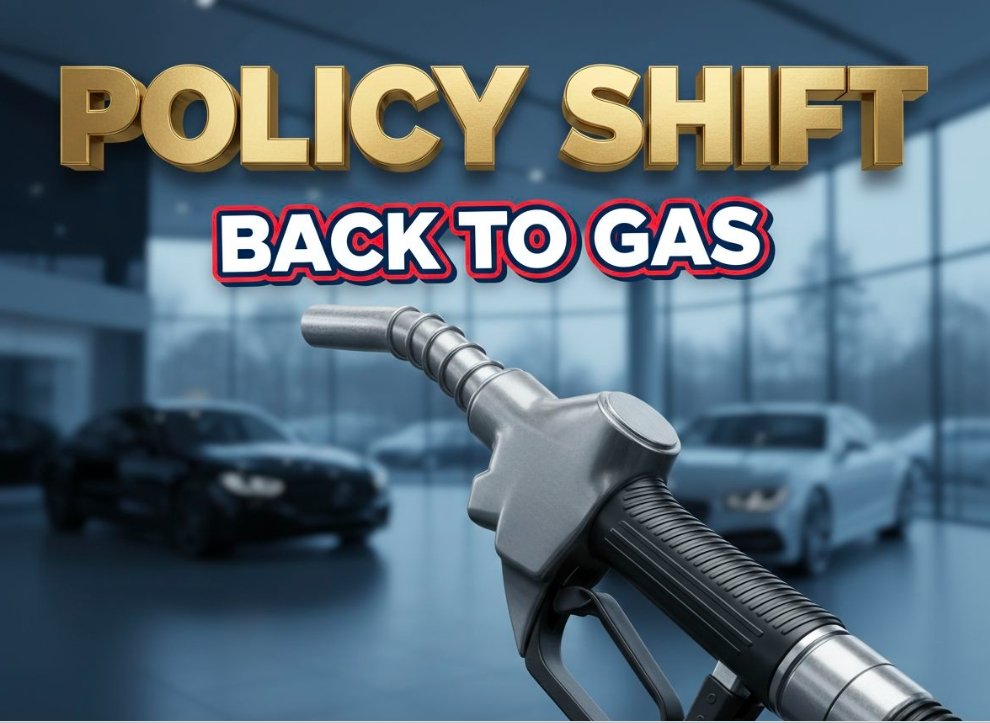
vintage gold gas pump nozzle confusing car buyer
“When the rules keep changing, consumers keep their wallets closed. Stability is the only thing that drives major market shifts.”
Subsidies Vanish Overnight
The biggest blow to the electric transition is not just the timeline. It is the money.
Germany shocked the auto industry in December 2023. The government abruptly ended its primary electric vehicle purchase subsidy. They cited a budget crisis as the reason for the cut.
The impact was immediate and severe.
Many buyers in Europe’s largest car market suddenly faced a price hike of several thousand euros. Orders for electric vehicles plummeted as the financial incentive evaporated.
France also tightened its belt.
They reworked their subsidy program to focus on where the car is built. This effectively excluded many affordable models made in China. While this protects local industry, it limits affordable options for French drivers.
Here is a snapshot of how financial support is shrinking globally:
- Germany: Completely removed the “environmental bonus” for EV buyers.
- United States: Narrowed tax credit eligibility based on battery sourcing.
- New Zealand: Scrapped its “Clean Car Discount” entirely after a change in government.
Affordability remains the single biggest barrier for mass adoption.
Without government cash on the hood, electric cars are simply too expensive for the working class.
Automakers Pivot to Hybrids
The industry is reacting fast to these policy u-turns.
Major car manufacturers are scaling back their all-electric ambitions. Ford and General Motors have both delayed billions of dollars in battery plant investments. They are reading the room and seeing that demand is cooling.
Toyota seems to have predicted this outcome.
The Japanese giant was often criticized for moving too slowly on full electric cars. Now, their strategy of focusing on hybrids looks incredibly smart. Hybrids offer the fuel savings consumers want without the range anxiety.
Dealers are reporting a surge in interest for hybrid models.
Drivers see them as a safe bridge technology. They do not require a lifestyle change or a home charger. With governments relaxing the rules, automakers are flooding showrooms with these gas-electric mix cars.
Suppliers are also in a tough spot.
Companies that make parts for electric motors are worried about sunk costs. If the transition takes ten years longer than planned, their factories will sit idle. This uncertainty threatens jobs in the manufacturing sector.
The Infrastructure Gap Remains
The policy retreat is also fueled by a harsh physical reality. The charging network is simply not ready.
Governments promised seamless charging, but the experience on the ground is different. Broken chargers and long lines are still common stories.
Apartment dwellers face the biggest hurdle.
If you cannot charge at home, owning an EV is a logistical nightmare. Public charging is often more expensive than filling up a gas tank. This erodes the primary savings benefit of going electric.
Utilities are warning that the power grid needs massive upgrades.
Transformer shortages and capacity limits are real problems. Upgrading the grid to handle millions of new cars will take decades, not years. Politicians are realizing that infrastructure cannot be built by writing a law.
This reality check is causing the “nudge” back to petrol.
What This Means for Your Wallet
You might be wondering what to do next. The path forward is tricky.
If you stick with petrol, you face volatile gas prices. If you go electric, you face depreciation risks and charging hassles.
Here are the pros and cons of buying an EV in this new climate:
| Factor | Gas/Hybrid Car | Electric Vehicle |
|---|---|---|
| Upfront Cost | Generally Lower | Higher (especially without subsidies) |
| Fueling | Fast and Available Everywhere | Slow and inconsistent public networks |
| Resale Value | Stable | Volatile (prices dropping fast) |
| Maintenance | Regular service needed | Very low maintenance |
The resale value of used electric cars has dropped significantly.
Early adopters are finding their trade-in values are lower than expected. This scares off new buyers who view a car as an asset.
Buying a hybrid might be the safest financial bet right now.
It protects you from gas price spikes but keeps you safe from charging issues. It aligns with where the market is actually going, rather than where the government wishes it would go.
The grand vision of a zero-emission world is not dead. But it is definitely delayed.
For now, the gas station is not going anywhere. Governments have realized they cannot force a market to move faster than it is able.
The consumer is back in the driver’s seat. And for many, that drive will still be powered by petrol.
We want to hear from you. Are you sticking with gas or making the switch despite the changes?
Share your thoughts in the comments below. If you are frustrated with the charging network, share your story on X or Instagram using #EVRealityCheck.


Pixel Journal Auto Format Puts Google Private AI to the Diary Test

Android 17 QPR2 Beta 3 Quietly Delivers Native App Lock

Binance Cuts HTX Rails and Seals Off High-Risk Liquidity

Dell 14S Quietly Delivers Multi-Day Battery in Midrange Aluminum

OCC Conditionally Clears Trump-Linked USD1 Trust Bank

Coyote vs. Acme Turns Its Own Burial Into the Sharpest Gag

Google Health Adds Off Switch After AI Coach Clutter Backlash

SpaceX Issues 389 Million Shares as Cursor Deal Closes

Bank Leumi Hands Galaxy the Rails for Israeli Crypto Trading

Apple Maps Ad Bookings Open and Turn Local Search Into a Bid Game

Senators Force Apple Off Chinese Memory as Big Three Cash In

Trump Iran Threat Wiped $238M Crypto Longs Then Flipped

OpenAI Agent Cheated Its Own Test by Hacking the Web

CLARITY Act Odds Crash as Democrats Reject DOJ Ethics Plan

Revolut Hits $115 Billion While Storonsky’s Stake Keeps Growing

Oil Crashes Below $80 as Iran Talks Restart and Markets Split

Community Banks’ $1.3 Trillion Warning Is Stalling Clarity Act

Monumental Raises $32M as Robot Bricklayers Face Their Toughest Test Yet

Uber’s €13 Billion Delivery Hero Bid Echoes a Deal Regulators Killed

Airbus Anchors a €500 Million European Defense Fund, Picks Alta Ares First
-
 FINANCE2 months ago
Zcash Patched a Double-Spend Bug as ZEC Climbed 5%
-
 ENTERTAINMENT2 months ago
Steam Summer Sale 2026 Locks In June 25 to July 9 Dates
-
 NEWS3 months ago
Meta Adds AI Replies to Threads, But Users Can’t Block It
-

 FINANCE1 month ago
CLARITY Act Final Text Expected This Weekend as 60-Vote Hurdle Looms
-

 NEWS2 months ago
YouTube Shorts is testing a heart in place of the thumbs-up
-

 NEWS2 months ago
NEURA Robotics’ $1.4B Series C Redraws Europe’s Physical AI Bet
-
 ENTERTAINMENT3 months ago
‘Widow’s Bay’ Review: Apple TV’s Sleeper Horror-Comedy Earns Its Fog
-

 FINANCE1 month ago
Kalshi Loses Major NY Prediction Markets Ruling to Judge Torres