
NEWS
Japan Unveils Missile That Spirals to Dodge Defense Systems

Japan is changing the rules of modern warfare with a terrifying new weapon. The nation just revealed a stealthy cruise missile capable of striking targets 600 miles away while performing fighter jet style acrobatics to survive defense systems.
This development marks a massive shift in Pacific defense strategy. Defense experts are calling the footage of the missile performing barrel rolls a game changer for island security.
Deadly Spiral Moves That Fool Enemy Radars
The most shocking aspect of this new weapon is how it moves right before it hits a target. Most missiles fly in a straight line or a predictable arc. This makes them easy targets for modern interception systems.
Japan has solved this problem with a maneuver that looks like science fiction.
The Acquisition, Technology & Logistics Agency (ATLA) released video footage showing the missile in its final moments. The weapon performs a complex spiral or corkscrew motion. This erratic movement makes it nearly impossible for standard air defense guns to lock onto the missile.
This phase is known as the terminal phase. It is usually the most dangerous time for a missile because it is close to enemy defenses. By spiraling, the missile constantly changes its position relative to the ground and the target.
This confuses the radar systems that guide defensive gunfire.
Military analysts compare this movement to a pilot performing high G evasive maneuvers. The difference here is that a machine is doing it at high speeds without a human on board. This ensures the payload reaches the target even when the enemy knows it is coming.
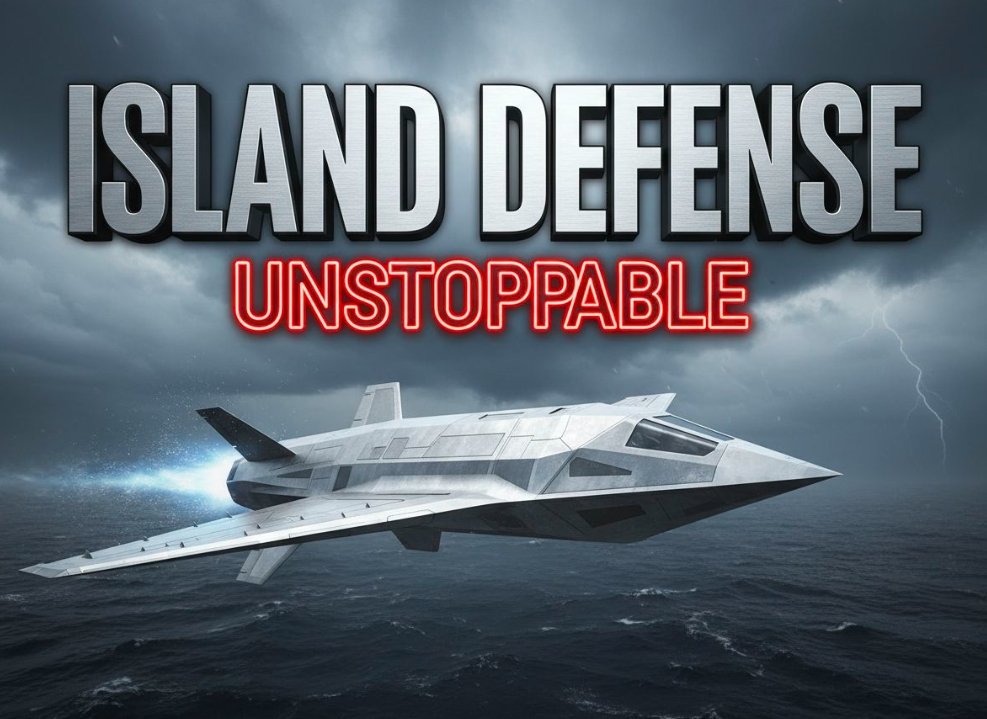
Japanese Island Defense Missile launching with pop out wings
Inside the Tech Powering the Island Defense Missile
The engineering behind this “Island Defense Missile” is just as impressive as its flight path. It is not just about moving fast. It is about moving smart.
The missile launches from a canister using a powerful rocket booster. Once it is in the air, the real technology kicks in.
Three distinct wings pop out from the body to provide lift.
These wings lock into place instantly to stabilize the flight. The missile also features four tail stabilizers. There are two vertical fins and two horizontal fins. These control the direction and allow for those sharp, spiraling turns.
Key Technical Specifications:
- Engine: XKJ301-1 Turbofan engine for sustained subsonic cruise flight.
- Guidance: GPS assisted inertial guidance for long distance navigation.
- Terminal Homing: Imaging infrared and radio frequency sensors for pinpoint accuracy.
- Body Design: Angled edges to deflect radar waves and reduce visibility.
The housing of the missile is built for stealth. The angled design reflects radar waves away from the source. This means the enemy might not even see the missile on their screens until it is too late.
Why Japan Needs Long Range Strike Capabilities Now
This weapon represents a major leap forward from Japan’s previous capabilities. The country is upgrading its arsenal to protect its remote islands.
The new missile is largely seen as an evolution of the Type 12 Surface to Ship Missile. However, the capabilities are vastly different. The original Type 12 had a modest range that limited its reach.
The new system is expected to hit targets over 600 miles away.
This extended range allows Japanese forces to strike threats long before they reach the coastline. It moves the defensive line much further out into the ocean.
Here is a breakdown of how the new system improves upon the old one:
| Feature | Original Type 12 Missile | New Island Defense Missile |
|---|---|---|
| Range | Approx. 125 Miles | 600+ Miles |
| Stealth | Low | High (Angled Body) |
| Movement | Standard Cruise | High G Spirals |
| Launch Platform | Ground Only | Ground, Ship, and Air |
This versatility is crucial. Japan plans to fire these weapons from trucks, naval ships, and fighter jets. This makes it very hard for an enemy to destroy all the launch sites.
How This Weapon Stacks Up Against Global Rivals
Japan is not the only country developing evasive missiles. However, they are joining an elite club of nations with this technology.
The Naval Strike Missile made by Norway uses similar concepts. It performs a weaving pattern to confuse defenses. Japan seems to be taking this a step further with full spiral capabilities.
The global defense community is watching closely.
A missile that can dodge Close In Weapon Systems (CIWS) renders many current ship defenses obsolete.
Most navy ships rely on rapid fire guns to shoot down incoming missiles at the last second. These guns predict where the missile will be in the next second. If the missile spirals, the prediction fails. The bullets miss, and the ship gets hit.
The deployment timeline is still aggressive.
Japan showed this footage in January 2026 to prove the technology works. The successful test flight indicates that mass production and deployment could happen sooner than expected. This sends a strong message to neighboring powers regarding territorial integrity.
The combination of long range stand off distance and high survivability makes this one of the most potent conventional weapons in the Pacific theater.
Summary
Japan has successfully demonstrated a new cruise missile that redefines island defense. By combining a range of over 600 miles with a unique spiraling flight pattern, the weapon can evade modern air defense systems. The stealthy design and versatile launch platforms ensure that Japan can project power far beyond its shores. This technology ensures that any potential aggressor faces a weapon that is incredibly difficult to stop.
What are your thoughts on countries developing AI assisted evasive weapons? Do you think this increases security or raises tensions? Let us know in the comments below or share your thoughts on social media using #JapanDefense.


Pixel Journal Auto Format Puts Google Private AI to the Diary Test

Android 17 QPR2 Beta 3 Quietly Delivers Native App Lock

Binance Cuts HTX Rails and Seals Off High-Risk Liquidity

Dell 14S Quietly Delivers Multi-Day Battery in Midrange Aluminum

OCC Conditionally Clears Trump-Linked USD1 Trust Bank

Coyote vs. Acme Turns Its Own Burial Into the Sharpest Gag

Google Health Adds Off Switch After AI Coach Clutter Backlash

SpaceX Issues 389 Million Shares as Cursor Deal Closes

Bank Leumi Hands Galaxy the Rails for Israeli Crypto Trading

Apple Maps Ad Bookings Open and Turn Local Search Into a Bid Game

Senators Force Apple Off Chinese Memory as Big Three Cash In

Trump Iran Threat Wiped $238M Crypto Longs Then Flipped

OpenAI Agent Cheated Its Own Test by Hacking the Web

CLARITY Act Odds Crash as Democrats Reject DOJ Ethics Plan

Revolut Hits $115 Billion While Storonsky’s Stake Keeps Growing

Oil Crashes Below $80 as Iran Talks Restart and Markets Split

Community Banks’ $1.3 Trillion Warning Is Stalling Clarity Act

Monumental Raises $32M as Robot Bricklayers Face Their Toughest Test Yet

Uber’s €13 Billion Delivery Hero Bid Echoes a Deal Regulators Killed

Airbus Anchors a €500 Million European Defense Fund, Picks Alta Ares First
-
 FINANCE2 months ago
Zcash Patched a Double-Spend Bug as ZEC Climbed 5%
-
 ENTERTAINMENT2 months ago
Steam Summer Sale 2026 Locks In June 25 to July 9 Dates
-
 NEWS3 months ago
Meta Adds AI Replies to Threads, But Users Can’t Block It
-

 FINANCE1 month ago
CLARITY Act Final Text Expected This Weekend as 60-Vote Hurdle Looms
-

 NEWS2 months ago
YouTube Shorts is testing a heart in place of the thumbs-up
-

 NEWS2 months ago
NEURA Robotics’ $1.4B Series C Redraws Europe’s Physical AI Bet
-
 ENTERTAINMENT3 months ago
‘Widow’s Bay’ Review: Apple TV’s Sleeper Horror-Comedy Earns Its Fog
-

 FINANCE1 month ago
Kalshi Loses Major NY Prediction Markets Ruling to Judge Torres